Ready-to-Drink Protein Shakes: How to Compare and Choose
Published 2026-10-26
Ready-to-drink protein shakes are one of the easiest ways to add protein to a busy day. There is no powder to measure and no blender to clean, just a shelf-stable bottle you can grab from the pantry. But shakes vary a lot in protein, sugar, carbs, calories and taste. This guide explains how to read a protein shake label, the main styles you will see, and simple ways to fit shakes into breakfast, workouts and long workdays.
Check protein per bottle first
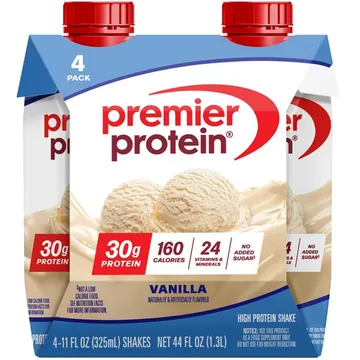
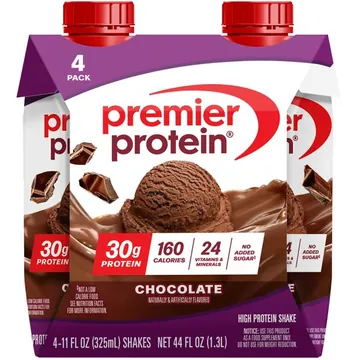
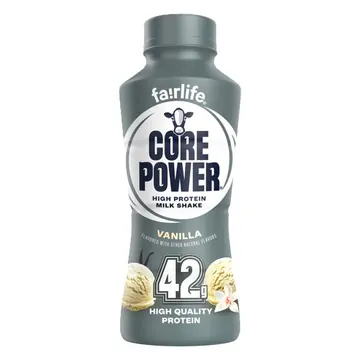
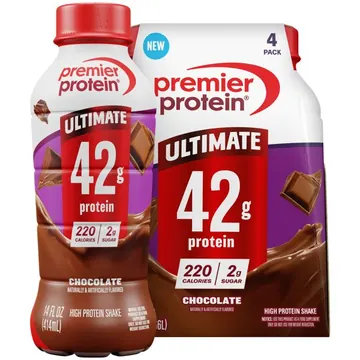
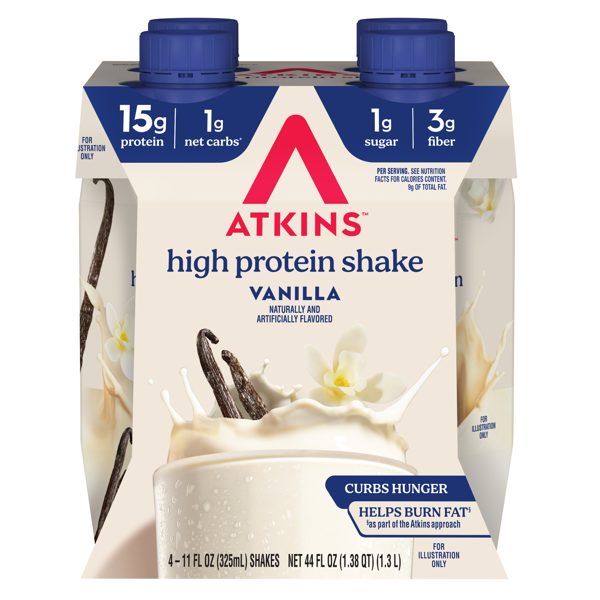
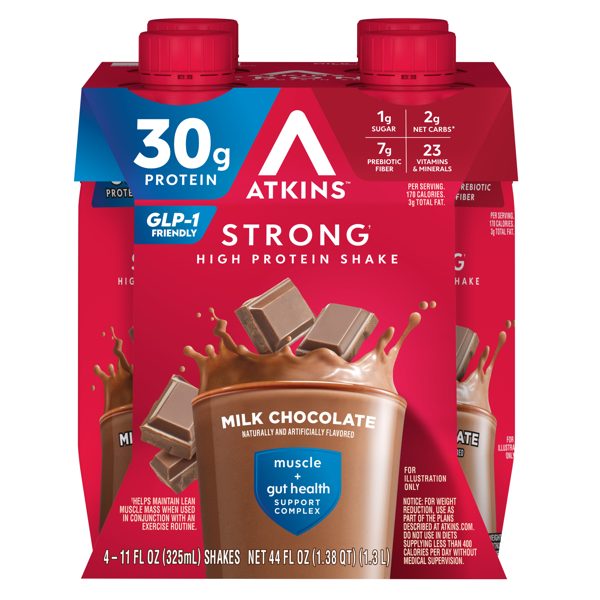
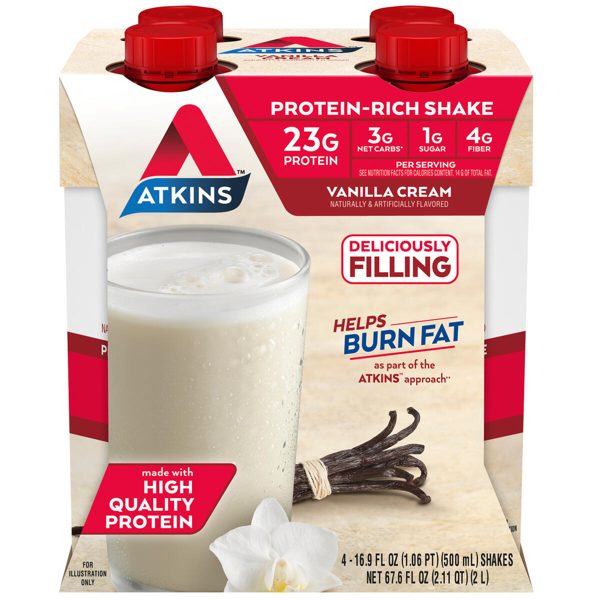
Protein content is usually printed right on the front of the bottle. Everyday shakes commonly offer around 15 to 30 grams per bottle, and some high-protein versions go to 40 grams or more. Higher is not automatically better. A shake with 15 to 20 grams can be plenty as a snack, while a larger amount may suit someone using a shake after training or as part of a meal. Check the serving size too, since some cartons are larger than others.
Sugar, carbs and calories
Many shakes are designed to be low in sugar and carbs, often using non-sugar sweeteners. If you follow a low carb or keto style of eating, look at the net carbs and sugar on the nutrition panel. If you prefer to avoid certain sweeteners, read the ingredient list on each product page. Calories range widely, so match the shake to its job: snack, meal helper or recovery drink.
Milk-based vs almond milk shakes
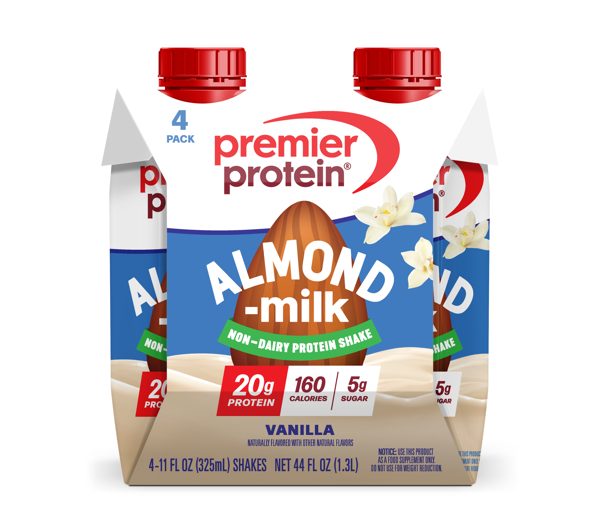
Most shakes are made with milk proteins, which give a creamy texture. Almond milk shakes are another option with a lighter feel. Always read allergen information carefully, because almond-based shakes may still contain milk ingredients, and milk-based shakes are not suitable for people with a milk allergy.
How to enjoy them
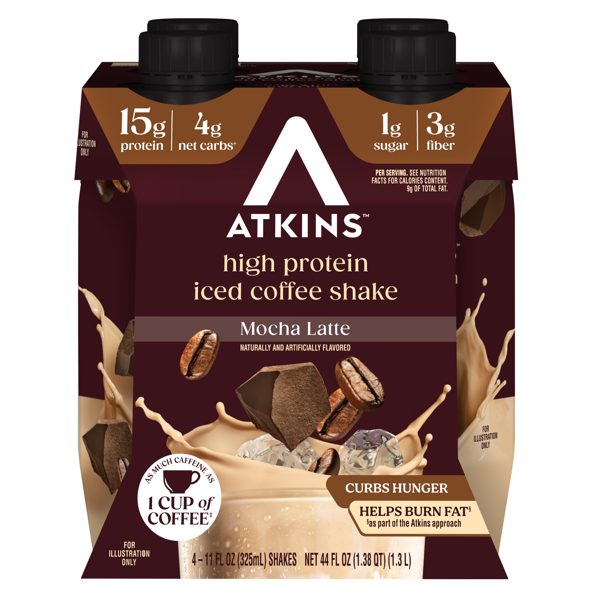
Chill shakes before drinking for the best flavor. Coffee-flavored shakes make an easy iced latte when poured over ice, and vanilla shakes can replace milk in oatmeal or a smoothie. Buy a four-pack of a new flavor before committing to a 12-pack. Shelf-stable shakes keep in the pantry until opened; after opening, refrigerate and finish them as directed on the label. Protein shakes are a food, not a medical product, so ask a professional if you have specific health needs.