Aluminum Foil vs Plastic Wrap vs Parchment Paper: When to Use Each
Published 2026-10-26
Foil, plastic wrap and parchment paper sit side by side in most kitchen drawers, but they are not interchangeable. Each one handles heat, moisture and sticking differently, and using the wrong one can ruin a bake or leave food dried out. This guide explains when to reach for each wrap, the difference between regular and heavy duty foil, and a few handy uses you may not have tried.
Aluminum foil
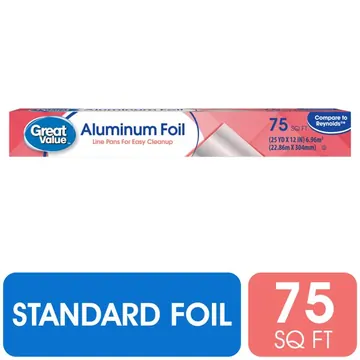
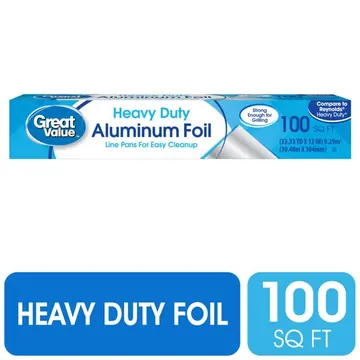
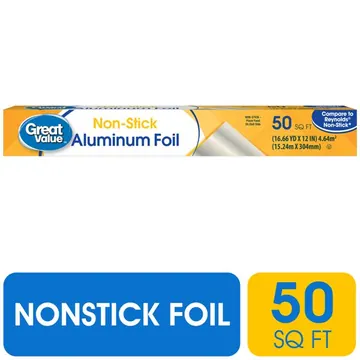
Foil handles high heat, which makes it the choice for roasting, grilling, lining baking sheets and covering dishes in the oven. Regular foil is fine for covering and wrapping, while heavy duty foil is thicker and better for grilling, wrapping large roasts and making foil packets. Non-stick foil has a coated side that keeps cheesy or sticky foods from clinging. Do not use foil in a microwave.
Plastic wrap and sealing wrap
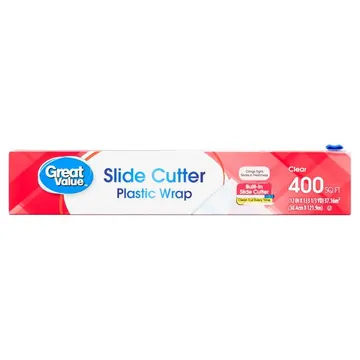
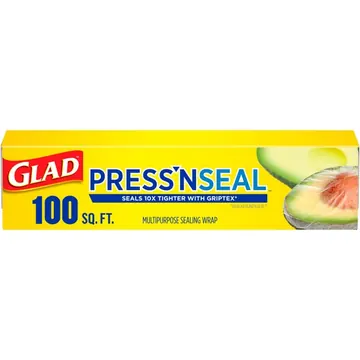
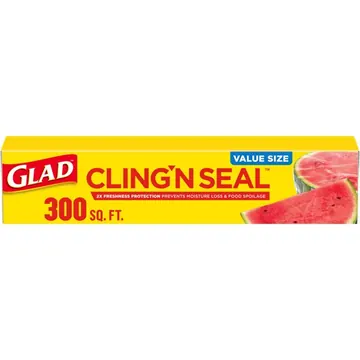
Plastic wrap clings to bowls and plates to keep air out, which is ideal for storing leftovers, covering dough while it rises and wrapping sandwiches. Press and seal style wraps stick to themselves and to surfaces when you press them, which makes them good for odd-shaped containers. Plastic wrap should not be used in the oven, and check the box before using it in the microwave.
Parchment paper
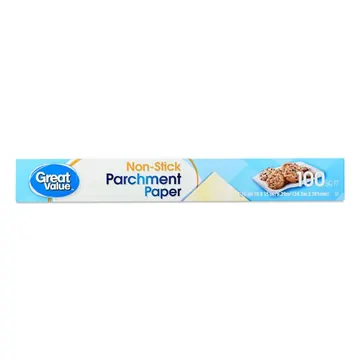
Parchment paper is a non-stick, heat-resistant paper for baking. Line cookie sheets and cake pans with it so baked goods release cleanly and cleanup is quick. It is also used for cooking fish or vegetables in a parchment parcel. Unlike wax paper, parchment can go in the oven.
Oven bags and other helpers
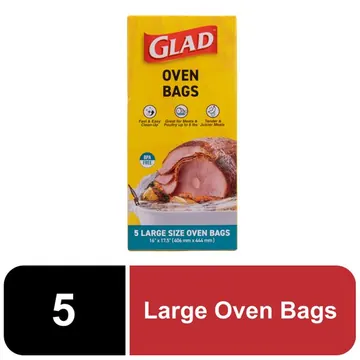
Oven bags hold in moisture while roasting a turkey, chicken or pot roast, and they reduce pan scrubbing. Slow cooker liners do the same job for crockpot meals. Keep foil, wrap and parchment in a drawer organizer so you can grab the right one quickly.