Protein Bars vs Granola Bars: Picking the Right Snack Bar
Published 2026-10-26
Snack bars all look similar in the box, but they are built for different jobs. A crunchy granola bar, a nut bar, a soft breakfast bar and a high protein bar can differ a lot in protein, fiber, sugar and how long they keep you full. This guide compares the main types of snack bars, explains what to look for on the label, and suggests which kind fits school lunches, workouts, travel and mid-afternoon cravings.
Granola bars
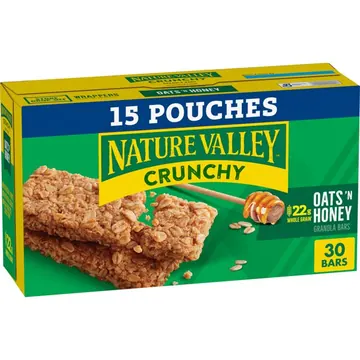
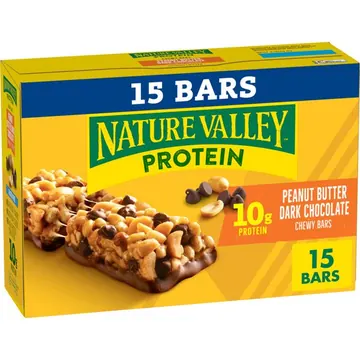
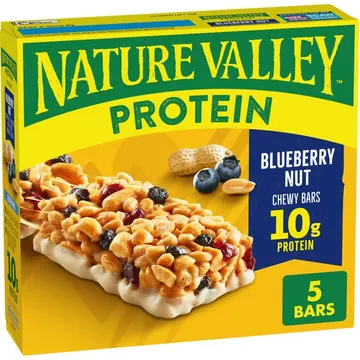
Classic granola bars are made from rolled oats bound with honey or syrup. Crunchy bars come two to a pouch and are great with coffee, while chewy bars are softer and popular with kids. They are usually lower in protein, so they work best as a light snack. Big multi-pouch boxes are an economical way to stock lunchboxes.
Nut bars
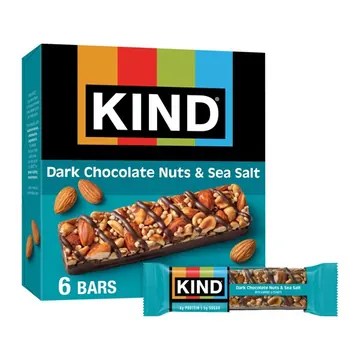
Nut bars are made mostly from whole nuts held together with a little syrup or chocolate. They offer more fat and protein than oat bars, which makes them more filling, and they have a satisfying crunch. Sweet and salty styles combine roasted nuts with a coating for a candy-bar feel. Anyone with a nut allergy should avoid them and read every label carefully.
Protein bars
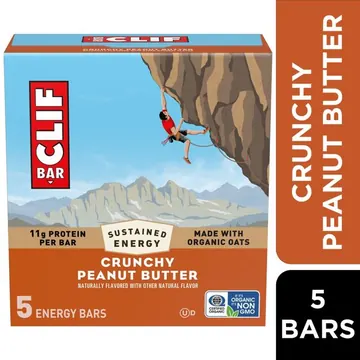
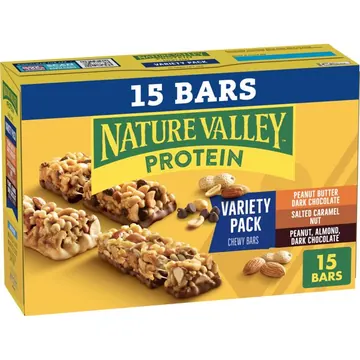
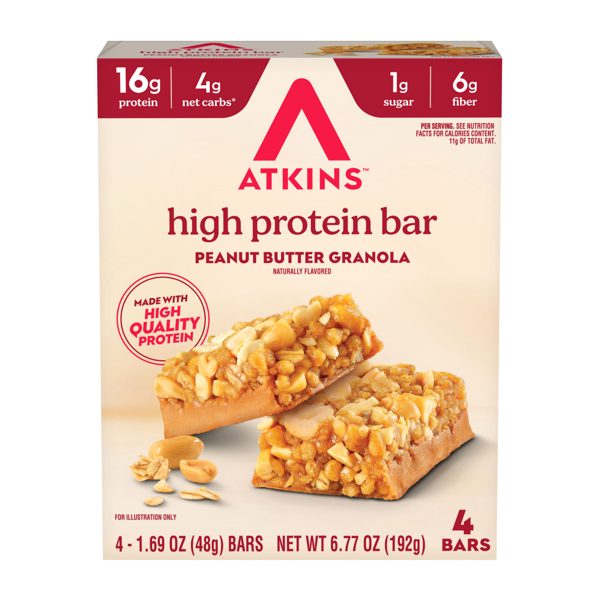
Protein bars are designed to deliver a higher amount of protein, often 10 to 20 grams per bar. They suit people who need a more filling snack, want something after a workout, or are trying to add protein to their day. Some are chewy, some are crispy and some are coated in chocolate. Check sugar and fiber on the panel, since recipes vary widely between brands and flavors.
Breakfast and energy bars
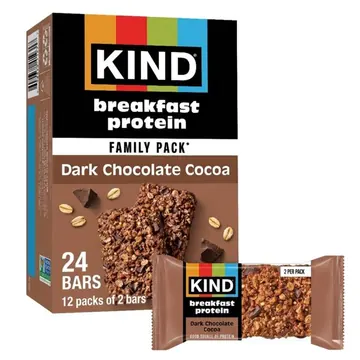
Breakfast bars are made to pair with coffee or fruit as a quick morning bite, and energy bars are made to fuel activity like hiking or cycling. They are heartier than granola bars. Whichever bar you choose, keep a few in a bag or glove box for days that run long, and store chocolate-coated bars away from heat.