Pantry Staples Checklist: What Every Kitchen Needs
Published 2026-10-25
A well-stocked pantry makes home cooking faster and cheaper. When you have the basics on hand, you can turn a few fresh ingredients into a full meal without an extra trip to the store. This checklist covers the staples most kitchens rely on, how long they keep, and how to store them so nothing goes to waste.
Grains and rice
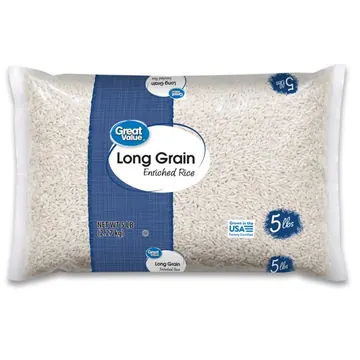
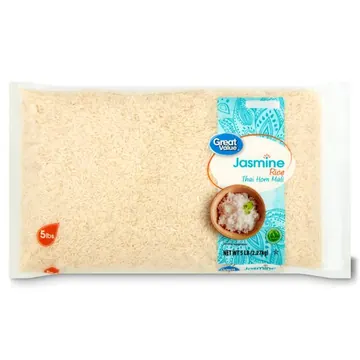
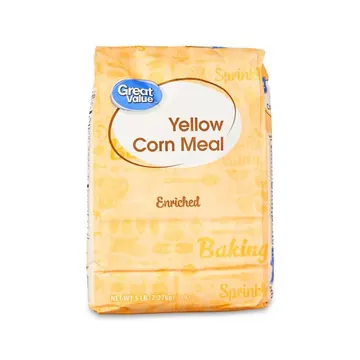
Long grain white rice and jasmine rice are versatile bases for stir-fries, curries, burrito bowls and side dishes. Five-pound bags give good value and keep for a long time when stored in a sealed container. Cornmeal is useful for cornbread, breading and baking. Keep grains away from moisture and transfer opened bags into airtight containers to keep pests out.
Oils, sweeteners and baking basics
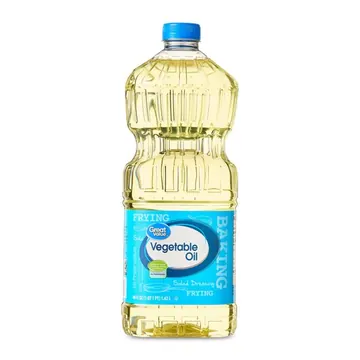
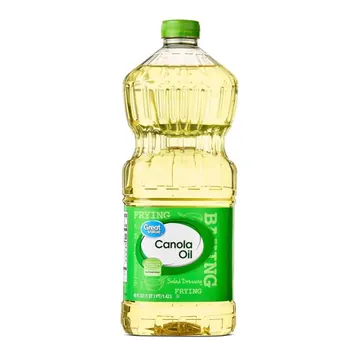
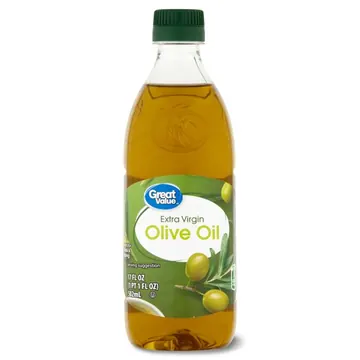
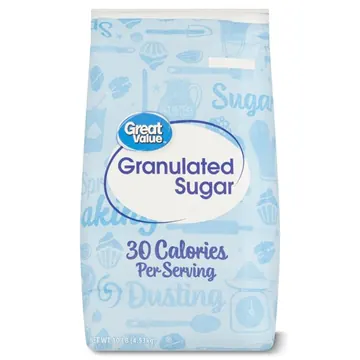
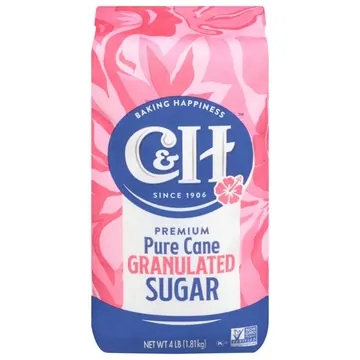
Most kitchens need at least one neutral cooking oil, such as vegetable or canola oil, for frying and baking, plus olive oil for dressings and sautéing. Granulated sugar and honey cover baking and sweetening drinks. Store oils in a cool, dark cupboard away from the stove, since heat and light shorten their shelf life. Honey keeps almost indefinitely; if it crystallizes, warm the jar gently in warm water.
Canned and shelf-stable proteins
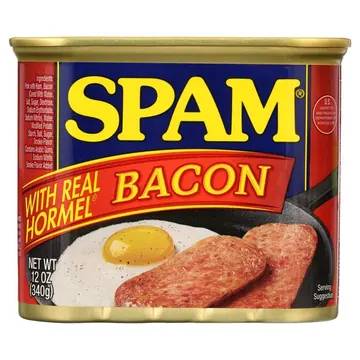
Canned meats and other shelf-stable proteins are useful for quick breakfasts, sandwiches and fried rice, and they are a sensible part of an emergency supply. Rotate them by putting new cans at the back and using older ones first. A few cans of meat, beans or soup on the shelf mean you can always put together a simple, filling meal when the fridge is nearly empty.
Buying in bulk wisely
Larger sizes usually cost less per ounce, but only buy big quantities of items you use regularly and have room to store. Write the purchase date on containers, check best-by dates every few months, and keep a simple list on the pantry door so you know what to reorder before you run out.