Dog Treats and Dental Chews: How to Choose
Published 2026-10-26
Dogs love treats, and owners love using them for training, rewards and keeping teeth cleaner between brushings. But treats come in many sizes and styles, and picking the wrong size can be a waste or even a choking risk. This guide explains the main types of dog treats, how to match dental chews to your dog's size, and how many treats to give without upsetting a balanced diet.
Dental chews
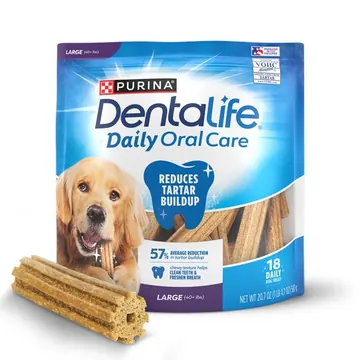
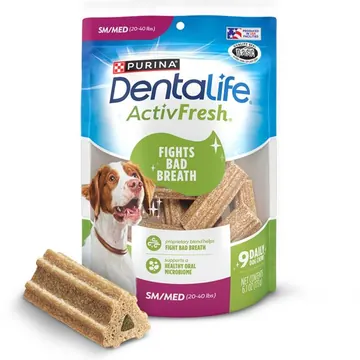
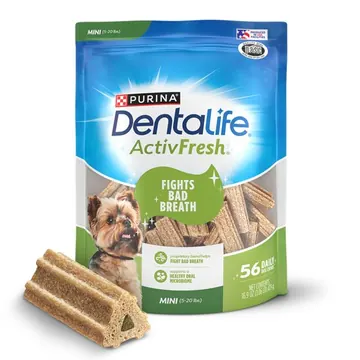
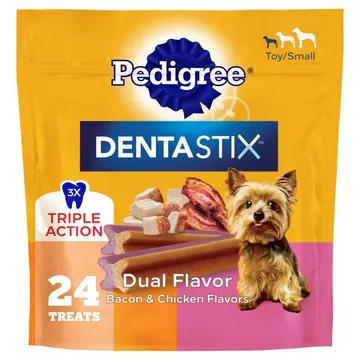
Dental chews are designed with textures that help scrape away plaque as your dog chews. They are sold by dog size, such as mini and toy, small and medium, or large, and the size matters. A chew that is too small can be swallowed whole, while one that is too large can be hard to manage. Choose the size that matches your dog's weight on the package, give one per day as directed, and supervise your dog while it chews. Chews support, but do not replace, brushing and vet dental care.
Training treats
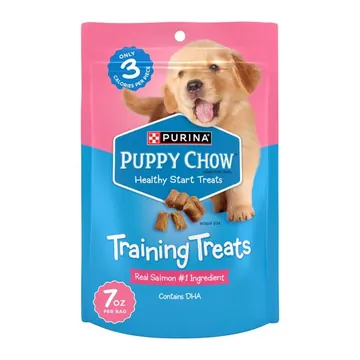
Training treats are small and soft so they can be eaten quickly during a training session without breaking the dog's focus. Because you may give many in one session, small treats help keep total calories down. Puppy-specific treats are made in sizes that suit young dogs.
Biscuits and soft baked treats
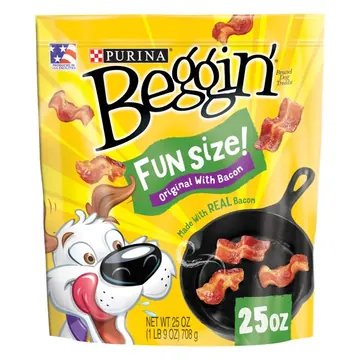
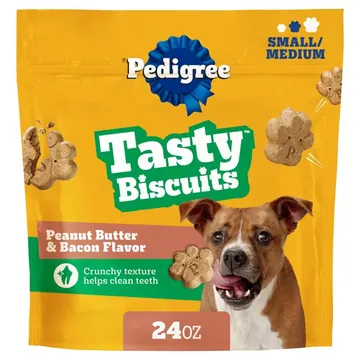
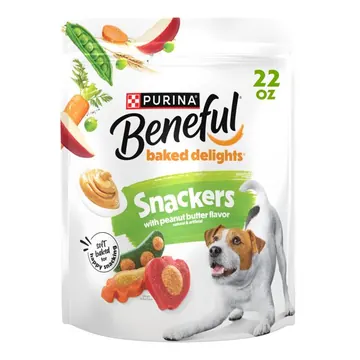
Crunchy biscuits are a classic everyday reward, available in mini and large sizes. Soft baked treats are a good choice for older dogs or dogs with sensitive teeth. Bacon-style strips are high-value rewards that many dogs love, so save them for special occasions.
How many treats?
A common guideline is to keep treats under about 10 percent of your dog's daily calories. Read the feeding guide on each bag and adjust meal portions if your dog gets lots of treats. Store treats sealed so they stay fresh. If your dog has allergies, a sensitive stomach or a medical diet, check with your vet before trying new treats.