Cooking Oils Guide: Which Oil for Which Job?
Published 2026-10-26
Most kitchens need more than one cooking oil. A good extra virgin olive oil makes salads and finished dishes taste better, while a neutral oil is better for frying and baking. Choosing the right oil for each job improves flavor and avoids smoking pans. This guide explains the most common cooking oils, what each one is good for, and how to store oil so it stays fresh.
Extra virgin olive oil
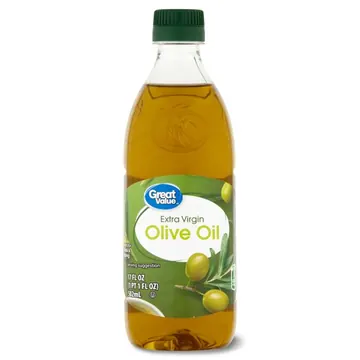
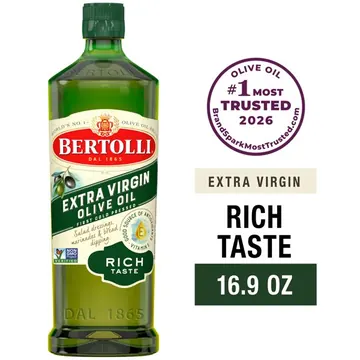
Extra virgin olive oil is pressed from olives without chemical refining and has a fruity, sometimes peppery flavor. It is best for salad dressings, drizzling over vegetables, pasta and bread, and for gentle sauteing. Robust varieties taste stronger, while mild ones suit everyday cooking. Use it where you will taste it.
Classic and light olive oil
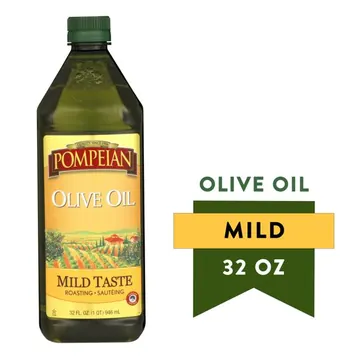
Classic or mild olive oil is more refined than extra virgin, so it has a lighter flavor. It is useful for everyday cooking and roasting when you want a hint of olive flavor without overpowering a dish. It is usually less expensive than extra virgin, so it is a good bulk cooking oil.
Neutral oils: canola, vegetable and corn
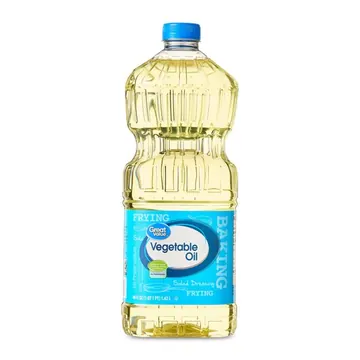
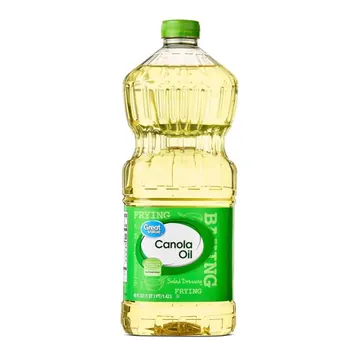
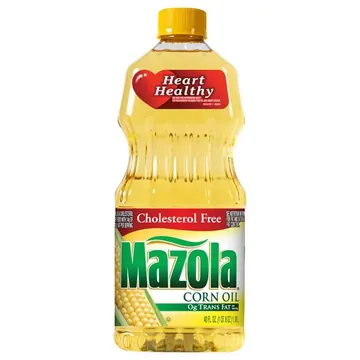
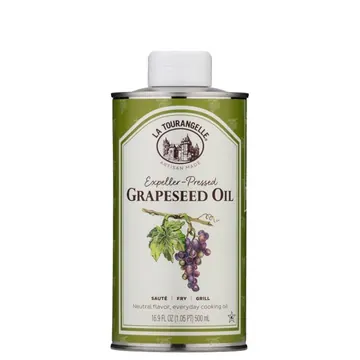
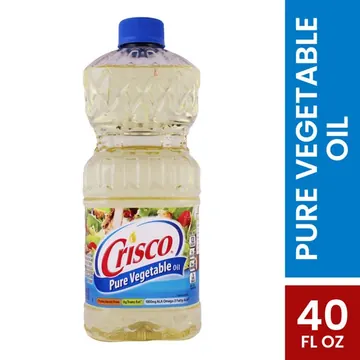
Canola, vegetable and corn oils have a neutral taste, which makes them ideal for frying, baking, stir-frying and making popcorn. They are good when you do not want the oil to change the flavor of food, such as in cakes and muffins. Large bottles are economical for households that fry or bake often. Grapeseed oil is another neutral option many cooks like for high-heat searing.
Storage tips
Heat, light and air make oil go stale, which shows up as a crayon-like smell. Keep bottles closed, in a cupboard away from the stove, and buy sizes you will finish within a few months of opening. Never pour used oil down the drain; let it cool, seal it in a container and throw it away with household trash.
Choosing bottle sizes
If you mostly cook with one oil, buy that one in a large bottle and keep a smaller bottle of extra virgin olive oil for finishing dishes. Specialty oils like grapeseed are best bought in smaller sizes unless you use them often. Pour oil into a smaller dispenser bottle near the stove and keep the large container in a dark cupboard.