Dry vs Wet Pet Food: How to Choose for Your Cat or Dog
Published 2026-10-25
Choosing pet food can feel overwhelming with so many formulas, flavors and bag sizes. Most choices come down to a few practical questions: dry or wet food, which life stage, and how much to buy at once. This guide explains the differences in plain terms so you can pick food that suits your pet and your budget. Always follow your veterinarian's advice if your pet has health conditions.
Dry food: convenient and economical
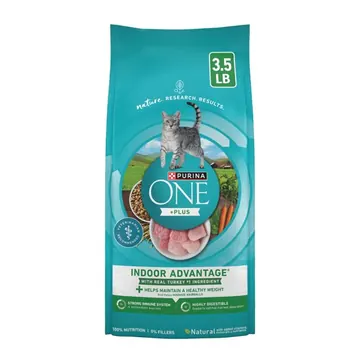
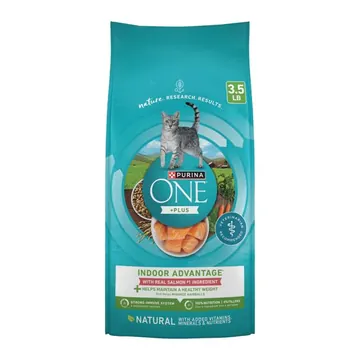
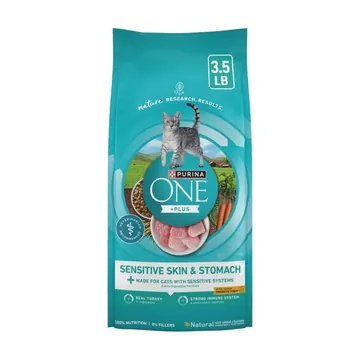
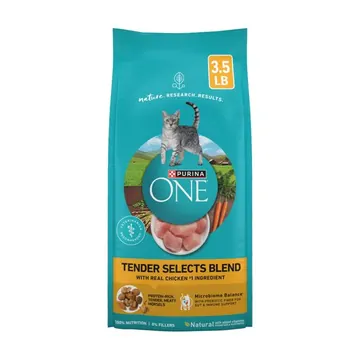
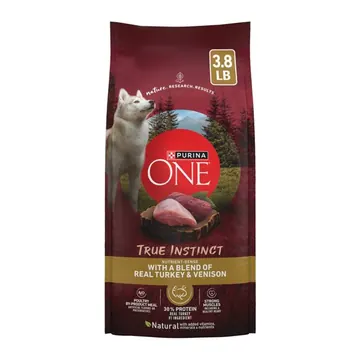
Dry kibble is easy to measure, stores well and usually costs less per meal than wet food. It can be left in a bowl for pets who graze, and larger bags lower the price per pound. Keep dry food in its original bag, placed inside a lidded container, so it stays fresh and the batch information stays with it. Formulas made for indoor cats, sensitive stomachs or specific life stages make it easier to match the food to your pet.
Wet food: moisture and flavor
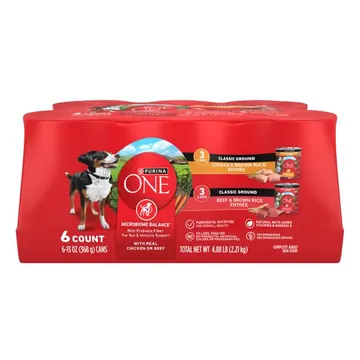
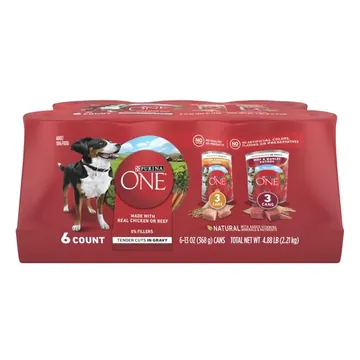
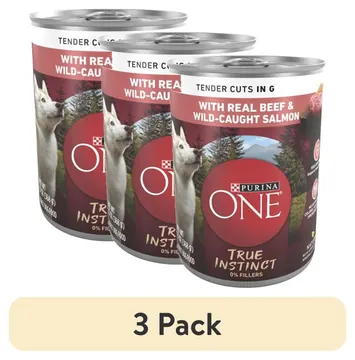
Wet food contains much more water than kibble, which helps pets who do not drink much, and many picky eaters prefer its taste and texture. Variety packs let you rotate flavors. Once opened, cover and refrigerate leftovers and use them within a couple of days. Many owners combine both types, serving dry food as the base and adding some wet food as a topper.
How to switch foods safely
Sudden changes can upset a pet's stomach. Mix the new food with the old over about seven days: roughly a quarter new food for the first couple of days, then half, then three quarters, and finally all new food. If your pet has ongoing digestive trouble, check with your vet.
How much to buy
Check the feeding guide on the package for your pet's weight, then estimate how many days a bag will last. Buy a size your pet will finish within about six weeks of opening for the best freshness, and reorder before you run low so you do not have to switch brands in a hurry.