Pasta Shapes and Sauces Guide
Published 2026-10-29
Walk down the pasta aisle and you will find dozens of shapes. They are not just for looks: the shape changes how much sauce clings to each bite and how well the pasta holds up in soups and bakes. You do not need to follow strict rules, but a few simple pairings will make everyday pasta dinners taste better. Here is a practical guide to the most common shapes in American kitchens.
Long pasta
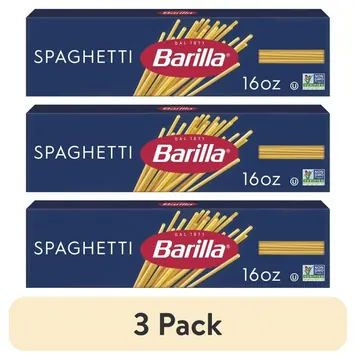
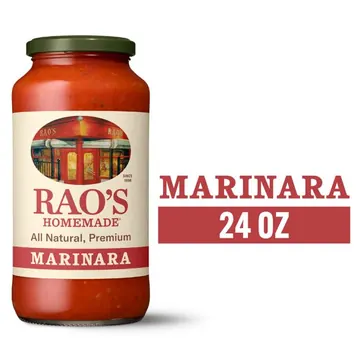
Spaghetti, linguine and angel hair work best with smooth sauces that coat each strand, such as marinara, garlic and olive oil, or a light cream sauce. Thicker strands like spaghetti and linguine also handle meat sauce well. Fettuccine and other wide ribbons are the classic match for rich, creamy alfredo, because the broad surface holds the thick sauce.
Short tubes and twists
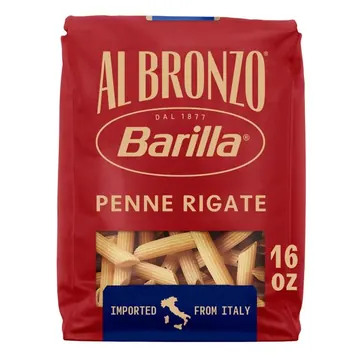
Penne, rigatoni and ziti have hollow centers and ridges that trap chunky sauces, meat sauce and vegetables. They are also the go-to shapes for baked ziti and pasta bakes. Rotini, fusilli and cellentani spirals grab onto pesto, cheese sauces and dressings, which makes them great for pasta salad.
Shells, elbows and filled pasta
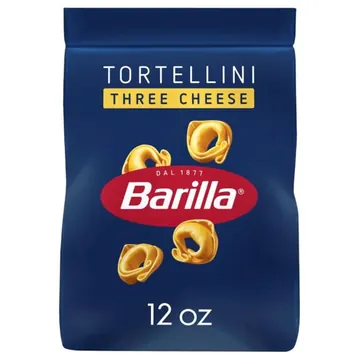
Small shells and elbows scoop up cheese sauce, which is why they are used for mac and cheese, and they work in soups like minestrone. Jumbo shells are stuffed with ricotta and baked. Filled pastas such as tortellini and ravioli need only a simple sauce, since the filling carries the flavor, and they are also good in broth.
Lasagna and egg noodles
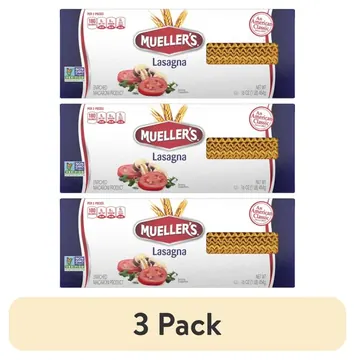
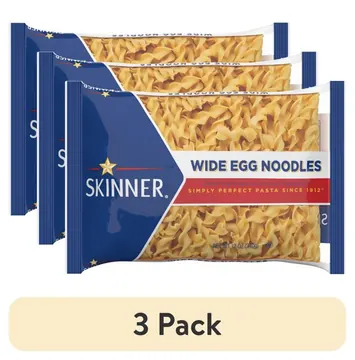
Lasagna sheets are layered with sauce and cheese; oven-ready versions skip boiling. Egg noodles are softer and richer than regular dried pasta, and they shine in chicken noodle soup, beef stroganoff, tuna noodle casserole and buttered noodles. Keep a few different shapes in the pantry and you can cover almost any recipe.