Marinara vs Pasta Sauce vs Alfredo
Published 2026-10-29
The jarred sauce shelf can be confusing. Marinara, traditional pasta sauce, chunky garden sauce, four cheese, arrabbiata and alfredo all promise an easy dinner, but they taste and cook differently. Knowing the main styles helps you match the right jar to spaghetti night, a baked pasta, chicken parmesan or a creamy fettuccine, and keep a useful mix in the pantry.
Marinara
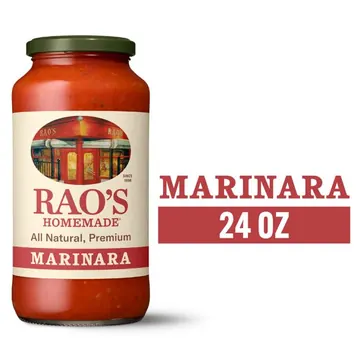
Marinara is a simple tomato sauce usually made with tomatoes, olive oil, garlic, onion and herbs like basil and oregano. It tastes bright and fresh and is fairly thin, so it works for spaghetti, dipping mozzarella sticks or garlic bread, topping chicken parmesan and as a pizza sauce. Premium marinaras often focus on a short ingredient list; check labels if you prefer no added sugar.
Traditional and chunky pasta sauce
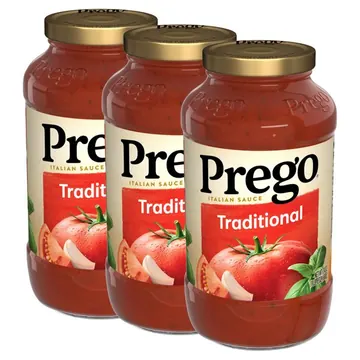
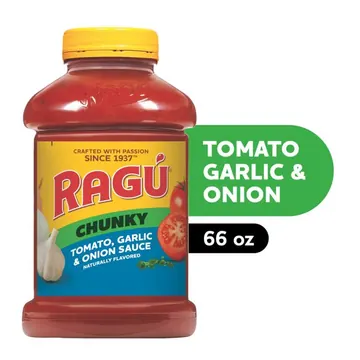
Many big-brand pasta sauces are a little thicker and sweeter than marinara, with extra seasoning. Chunky or garden styles add pieces of tomato, onion, garlic, peppers or mushrooms. These sauces are great for weeknight spaghetti, meat sauce, sloppy joes, lasagna and baked ziti, and large jars are budget friendly for families.
Cheese and specialty tomato sauces
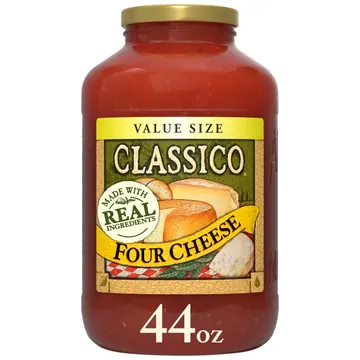
Four cheese sauces blend tomato with cheeses for a richer, rounder flavor that suits baked pastas. Arrabbiata adds crushed red pepper for heat. Vodka and rosé sauces mix tomato with cream. A good trick is to keep one plain marinara and one flavored sauce, then mix them to get exactly the taste you want.
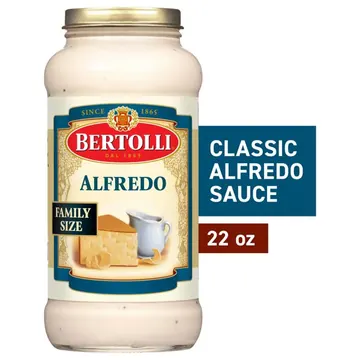
Alfredo
Alfredo is a cream sauce made with butter or cream and parmesan, with no tomato. It is thick and rich, best with fettuccine, chicken alfredo, white pizza, and creamy vegetable pasta. Heat it gently and thin with a splash of milk or pasta water if needed. After opening any jar, refrigerate and use it within the time the label recommends.