How to Store Leftover Pasta Sauce
Published 2026-10-29
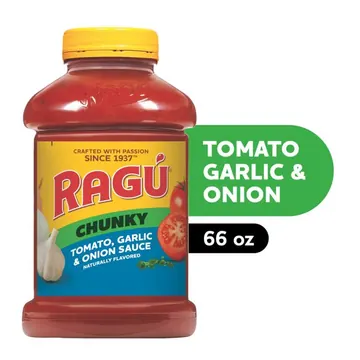
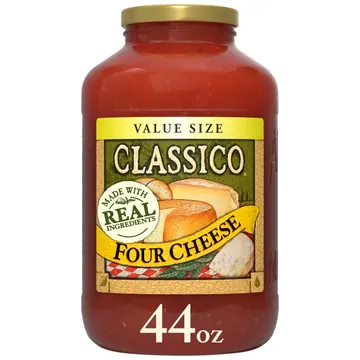
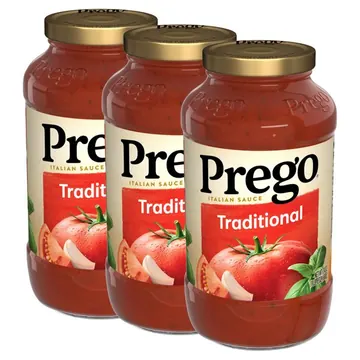
Most families do not use a whole jar of pasta sauce in one meal, especially the large value-size jars. Storing the rest properly keeps it safe and tasting good, and freezing means nothing goes to waste. Tomato-based and cream-based sauces behave differently, so here is how to handle each, along with simple ideas for using up the last few spoonfuls.
After opening
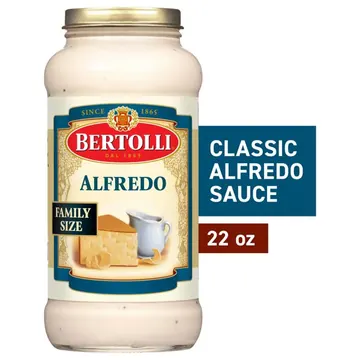
Once a jar is opened, refrigerate it promptly with the lid on, or transfer it to a clean airtight container. Always use a clean spoon so you do not introduce bacteria. The label usually tells you how many days the sauce keeps after opening; follow it. As a general guide, tomato sauces keep longer than cream sauces like alfredo, which should be used within a few days.
Freezing pasta sauce
Tomato-based sauces freeze very well. Pour leftovers into freezer bags or containers, leaving a little room for expansion, label with the date and freeze. Freezing flat in bags saves space and thaws quickly. Thaw overnight in the refrigerator or gently on the stove. Cream-based sauces can separate when frozen, but often come back together with gentle reheating and whisking with a splash of milk.
Signs it has gone bad
Throw out sauce that has mold, smells sour or off, has bubbles or fizz, or has changed color. Do not scrape off mold and use the rest. If an unopened jar has a bulging lid, is leaking or does not pop when you open it, discard it without tasting.
Ways to use up leftovers
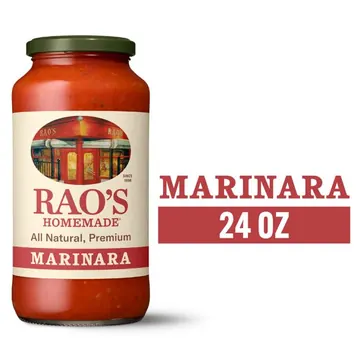
Spread leftover marinara on English muffins or flatbread for quick pizzas, use it as a dip for mozzarella sticks, simmer eggs in it for an easy shakshuka-style breakfast, or spoon it over meatball subs. A little tomato sauce adds body to chili, soup and sloppy joes, and leftover alfredo makes a fast sauce for chicken and broccoli.