Jasmine vs Basmati vs Long Grain Rice
Published 2026-10-26
Rice is one of the most affordable pantry staples, and choosing the right type makes a real difference to your cooking. Jasmine, basmati, regular long grain and parboiled rice all cook differently and suit different dishes. This guide explains how each type tastes, which meals it works best in, basic cooking ratios, and how to store large bags so they stay fresh.
Jasmine rice
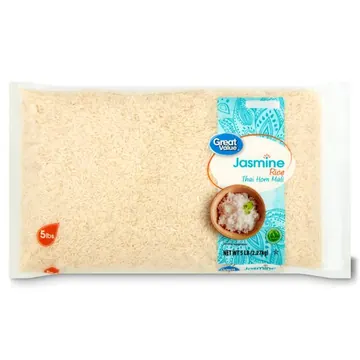
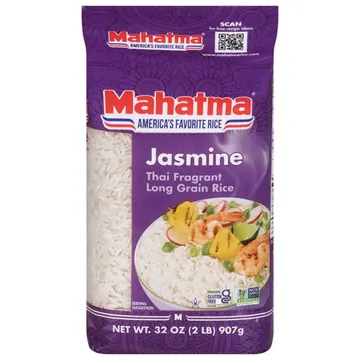
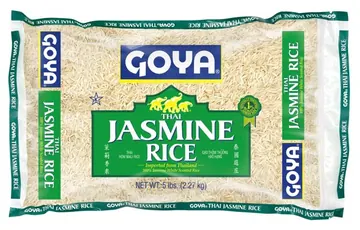
Jasmine rice is a fragrant long grain rice traditionally grown in Thailand. It cooks up soft and slightly sticky, with a gentle floral aroma. It is ideal with stir-fries, curries and grilled meats. A common stovetop ratio is about one cup of rice to one and a quarter cups of water, but always check the bag, as brands vary. Rinse before cooking for fluffier grains.
Basmati rice
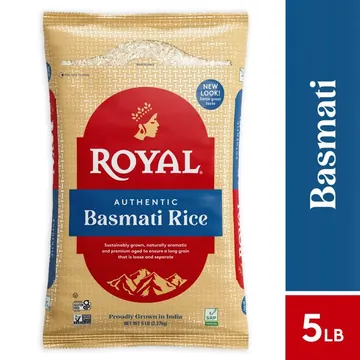
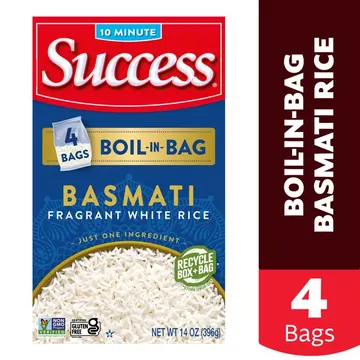
Basmati is a long, slender rice with a nutty aroma. It cooks into separate, fluffy grains that lengthen as they cook, which makes it perfect for biryani, pilaf and rice served alongside curries. Soaking for 20 to 30 minutes before cooking helps the grains stay long and unbroken. Boil-in-bag basmati is a convenient option for quick weeknight meals.
Regular and parboiled long grain
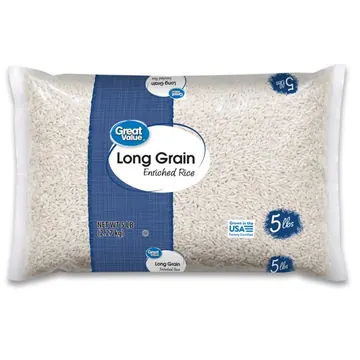
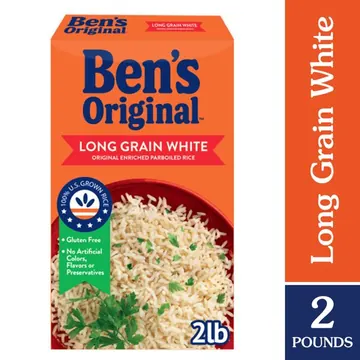
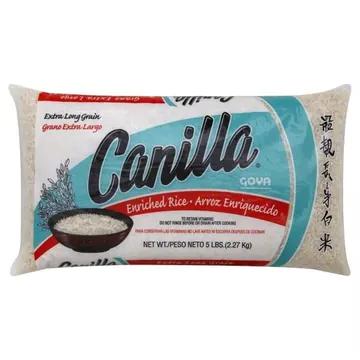
Regular enriched long grain rice is the everyday all-purpose rice, good for rice and beans, casseroles and side dishes. Parboiled or converted rice is partially cooked in the husk before milling, so it holds its shape very well and rarely turns sticky, which makes it forgiving for beginners and great for meal prep.
Storing big bags
Large 5 or 10 lb bags are the best value if you cook rice often. Transfer opened rice to an airtight container or a sealed bucket, and keep it in a cool, dry place away from moisture and pests. White rice keeps for a long time when stored this way. Cooked rice should be cooled quickly, refrigerated and eaten within a few days.