How to Cook Pasta Perfectly
Published 2026-10-29
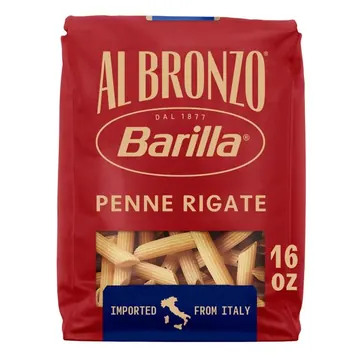
Cooking pasta seems simple, but a few small habits make the difference between gummy, bland noodles and pasta that tastes like it came from a good Italian restaurant. You need a big enough pot, properly salted water, good timing and a way to bring the pasta and sauce together. These steps work for spaghetti, penne, shells and most other dried shapes.
Use plenty of water and salt it
A good rule is about four to six quarts of water for a pound of pasta. More water returns to a boil faster after you add the pasta and helps prevent sticking. Once it is at a rolling boil, add a generous amount of salt, around a tablespoon or more per pound, so the water tastes seasoned. This is the only chance to season the pasta itself. You do not need to add oil to the water.
Stir and check early
Add the pasta, stir right away and stir again a few times in the first two minutes, which is when pieces stick together. Start tasting a minute or two before the shortest time on the package. Al dente pasta is tender but still has a slight bite in the center. If it will be baked afterward, pull it out a little earlier.
Save the pasta water
Before draining, scoop out a cup of the starchy cooking water. Drain the pasta but do not rinse it unless you are making a cold pasta salad, because the starch on the surface helps sauce stick. Add the pasta to the warm sauce, then splash in some of the reserved water and toss over low heat. The starch helps the sauce turn glossy and coat every piece.
Common mistakes to avoid
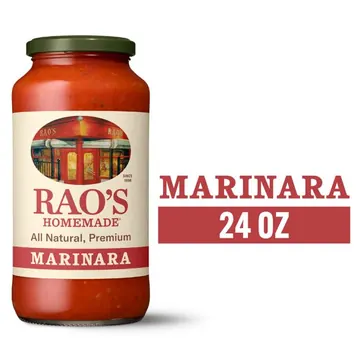
Avoid crowding a small pot, letting the pasta sit drained in a colander for a long time, or pouring a cold sauce over hot noodles. Warm the sauce first and finish the pasta in the pan. For a quick dinner, a jar of good marinara, a drizzle of olive oil and a handful of grated parmesan are all you need.