Gluten-Free Pasta and Rice Options
Published 2026-10-29
Going gluten free does not mean giving up pasta night. Gluten-free pastas made from rice, corn or legumes are widely available, and plain rice is naturally free of gluten. The key is to read labels carefully, cook gluten-free pasta a little differently and watch for gluten in sauces and seasoning mixes. This guide covers the basics for anyone shopping for a gluten-free household.
Gluten-free pasta
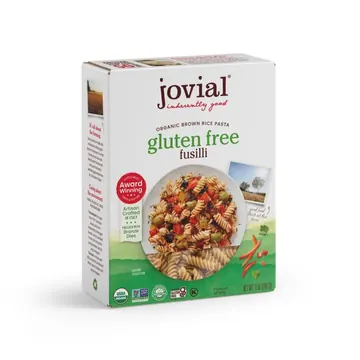
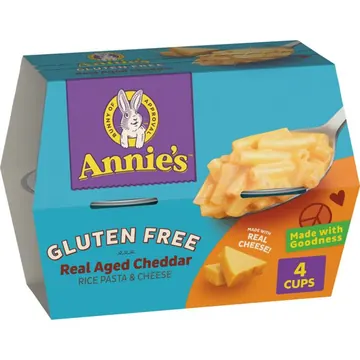
Many gluten-free pastas are made from brown rice, white rice, corn, quinoa, chickpeas or lentils. Brown rice pasta has a mild flavor and texture close to wheat pasta. Gluten-free mac and cheese made with rice pasta is available for kids. Look for products clearly labeled gluten free, and if you need to avoid gluten strictly, check for certification and cross-contact statements on the package.
How to cook it
Gluten-free pasta can go from firm to mushy quickly. Use plenty of boiling, salted water, stir often in the first few minutes, and start tasting a couple of minutes before the package time. Drain as soon as it is tender, and many cooks give it a quick rinse to remove excess starch if it will sit before serving. Toss with sauce right away.
Rice and grains
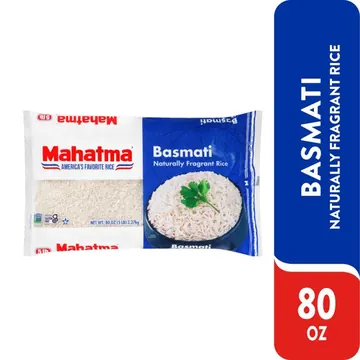
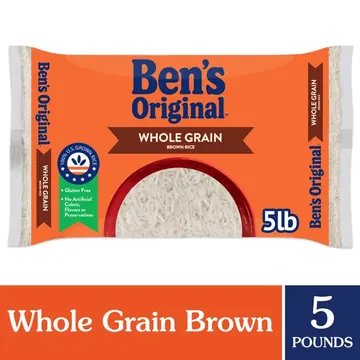
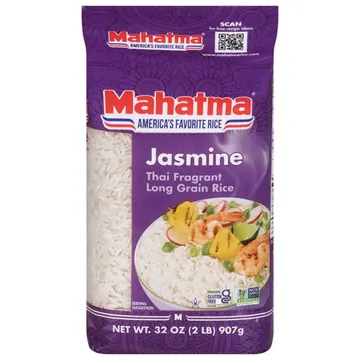
Plain rice, including white, brown, jasmine and basmati, is naturally gluten free, and many bags are labeled as such. Seasoned rice mixes, however, may contain wheat or barley ingredients, so always read the ingredient list. Couscous is made from wheat, so it is not gluten free.
Watch the extras
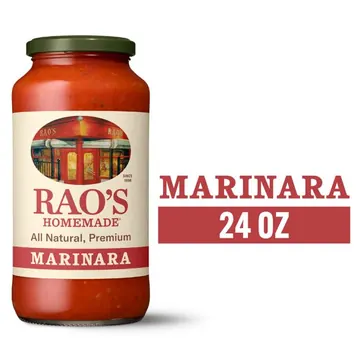
Check jarred sauces, gravies, broths and soy sauce for wheat. Regular soy sauce is usually brewed with wheat, so choose one labeled gluten free if needed. Keep a separate colander and clean pots to reduce cross-contact. When cooking for someone with celiac disease, ask about their needs and always read the full label.