Brown Rice vs White Rice
Published 2026-10-29
Brown rice and white rice start as the same grain. The difference is how much of the outer layers are removed during milling. That one step changes the flavor, texture, cooking time and shelf life. Neither is the only right choice; many households keep both and use each where it works best. Here is a clear, practical comparison to help you decide what to buy.
How they differ
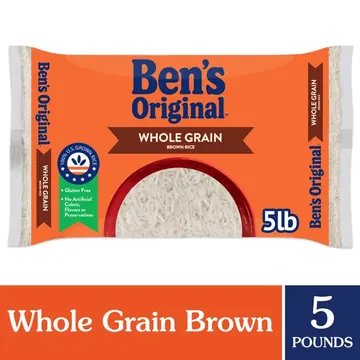
Brown rice is a whole grain. Only the inedible outer hull is removed, so the bran and germ stay on, giving the grain its tan color. White rice has the bran and germ milled away, leaving the softer, white center. Because the bran is kept, brown rice naturally contains more fiber than white rice. Check the nutrition panel on the bag to compare specific products.
Taste and texture
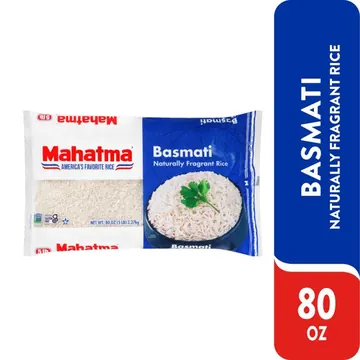
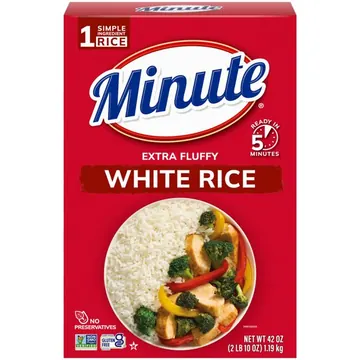
Brown rice is chewier and has a nutty, slightly earthy flavor. It holds its shape well in grain bowls, burrito bowls, stir-fries and salads. White rice is softer and milder, so it soaks up sauces and pairs easily with curries, stews, stir-fries and saucy chicken. Jasmine and basmati white rice add a fragrant aroma.
Cooking time and water
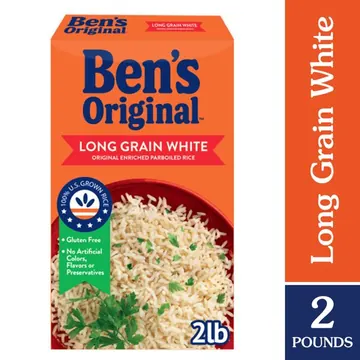
White rice usually simmers for about 15 to 20 minutes. Brown rice takes longer, typically around 40 to 45 minutes, and uses more water. Parboiled brown rice cooks a bit faster and is less likely to turn sticky. Instant and microwavable rice are options for both types when time is short; follow the directions on your specific package.
Storage and buying tips
Uncooked white rice keeps a very long time in a sealed container in a cool, dry pantry. Brown rice contains natural oils in the bran, so it has a shorter shelf life and should be used within the best-by date or stored in the refrigerator or freezer for longer keeping. Five pound bags are a good value if you cook rice several times a week.