Walnuts vs Pecans: Which Is Better for Baking?
Published 2026-11-03
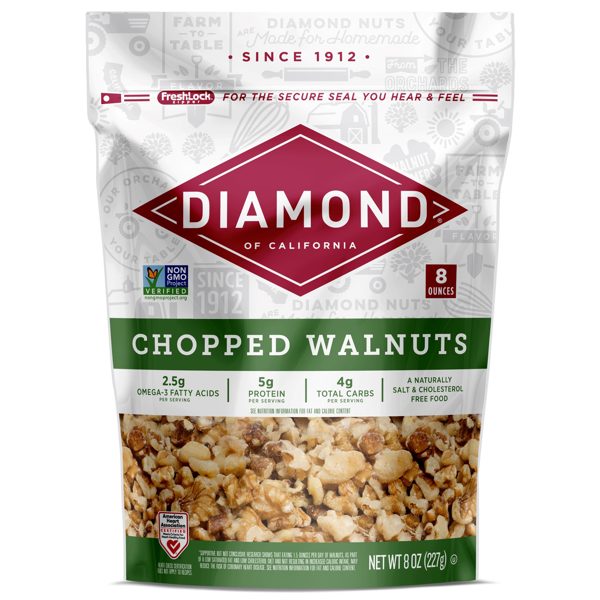
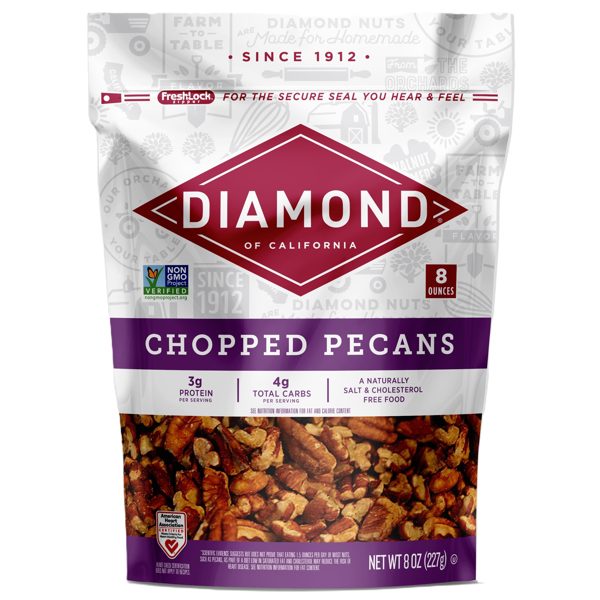
Walnuts and pecans are the two most common baking nuts in American kitchens, and they often appear in the same recipes: brownies, banana bread, cookies and coffee cake. They look similar when chopped, but they do not taste the same. Here is how to choose the right one, and when it is fine to swap.
Flavor
Pecans are sweet and buttery with almost no bitterness. Walnuts have a richer, earthier flavor with a slightly bitter edge that comes from their thin skin. That slight bitterness balances very sweet desserts well.
Texture
Pecans are softer and more tender. Walnuts are a bit firmer and have more nooks and crannies, which hold onto batter and frosting.
Best uses for pecans
Pecans are the star of pecan pie, pralines and sticky buns, and they are great on sweet potato casserole and in butter pecan cookies. Their sweetness pairs with maple, caramel and cinnamon.
Best uses for walnuts
Walnuts are classic in brownies, banana bread, carrot cake, zucchini bread and oatmeal cookies. They also work well in savory dishes like salads and pesto.
Swapping
In most recipes you can swap chopped walnuts and pecans one for one. Expect a sweeter, milder result with pecans and a slightly more robust taste with walnuts. The exceptions are recipes named after the nut, like pecan pie.
Toast first and buy chopped
Toasting either nut for a few minutes before baking deepens the flavor. Buying pre-chopped bags saves time, and storing them in the fridge or freezer after opening keeps them fresh until your next baking day.
Nutrition and allergies
Both walnuts and pecans are tree nuts and contain healthy fats, protein and fiber, with walnuts known for their omega-3 ALA content. Exact numbers differ by product, so compare labels if nutrition matters to you. When baking for others, mention which nuts are in your treat, since tree nut allergies are common. A simple label on a cookie tin or a note at the dessert table is a thoughtful courtesy that helps guests choose safely.