Jerky vs Protein Bars
Published 2026-11-04
Jerky and protein bars both promise a portable protein boost, but they are very different snacks. One is savory dried meat; the other is usually a sweet, chewy bar. Here is how to choose between them.
Protein
Both can be good protein sources. Jerky gets its protein from meat; bars use ingredients like egg whites, milk proteins, soy or nuts. Compare grams of protein per serving on the labels rather than relying on front-of-package claims.
Sugar and carbs
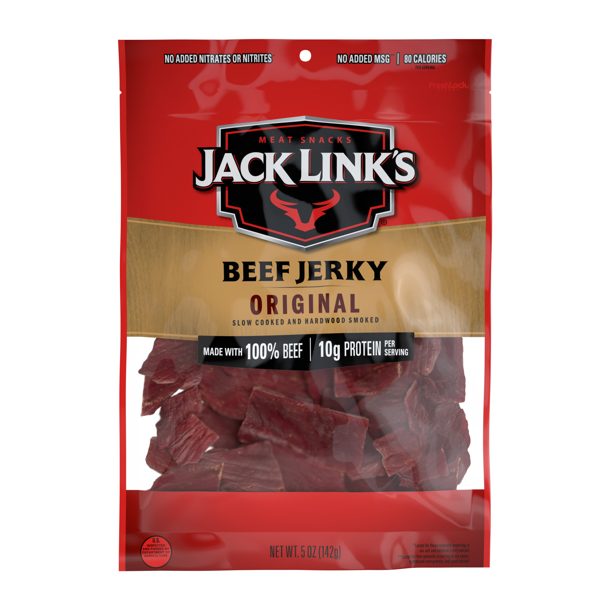
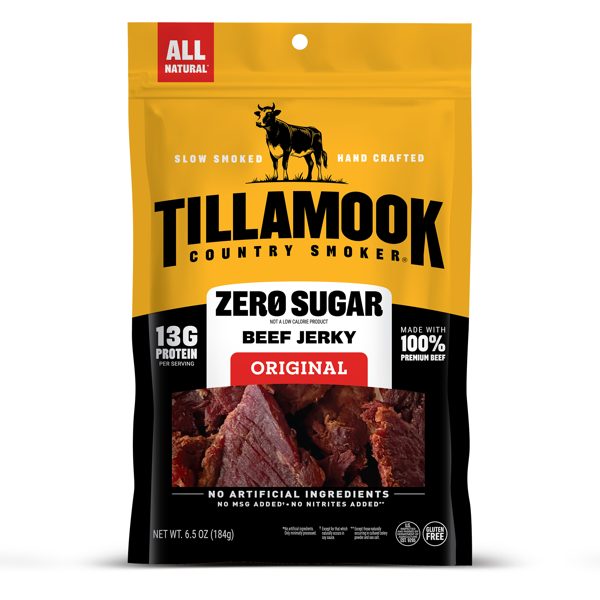
Original and zero sugar jerky are usually low in sugar and carbs. Many bars contain more carbohydrates and sugar for flavor and texture, though some are made to be low sugar. Sweet jerky flavors like teriyaki also contain sugar.
Sodium
Jerky is often higher in sodium than bars, since salt is part of how it is preserved. If you are watching salt, factor that in.
Convenience
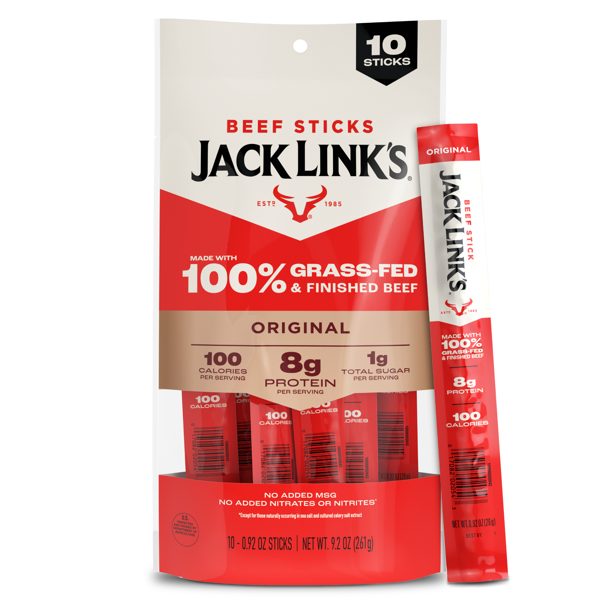
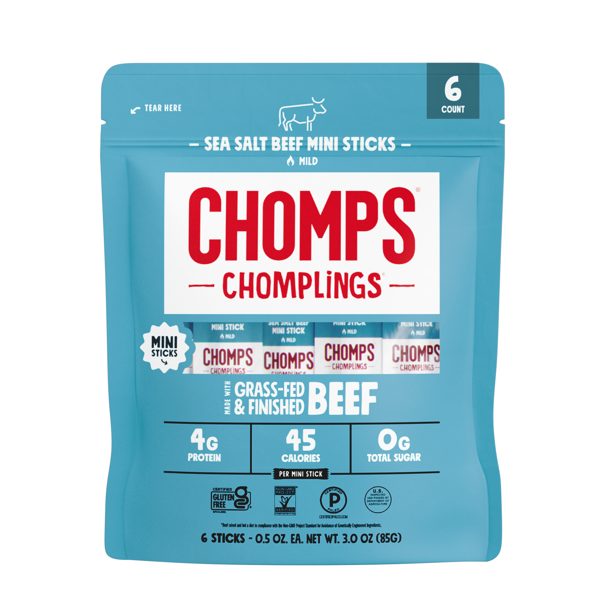
Bars are easy to eat in a few bites and do not leave greasy fingers. Jerky takes longer to eat, which some people find more satisfying. Individually wrapped meat sticks are the closest match to a bar for convenience.
When to choose which
Choose jerky or meat sticks when you crave something savory or are avoiding sugar. Choose a bar when you want something sweet or quick before a workout. Keeping both in your bag gives you options.
Satiety and snacking style
Many people find that savory, chewy jerky feels more filling because it takes longer to eat. Bars are quicker and can be easier on the go. Think about whether you want a fast bite or something to slowly snack on.
Price
Per gram of protein, jerky and bars can cost about the same, but it varies widely by brand. Multi-packs of bars and large bags of meat sticks both help lower the cost per serving.
Allergies and diets
Bars often contain nuts, soy, milk or gluten. Jerky may contain soy or wheat in the marinade. Vegetarians and vegans will need bars or other plant-based snacks, since jerky is meat.