Types of Flour and When to Use Them
Published 2026-10-31
Walk down the baking aisle and you will see a surprising number of flours. Each one is designed for a job, and picking the right one is often the easiest way to improve a recipe. Here is a straightforward breakdown of the most common flours found in a home pantry and what each one does best.
All-purpose and bread flour
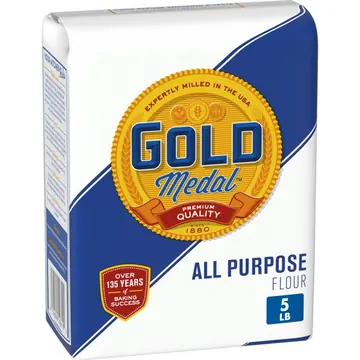
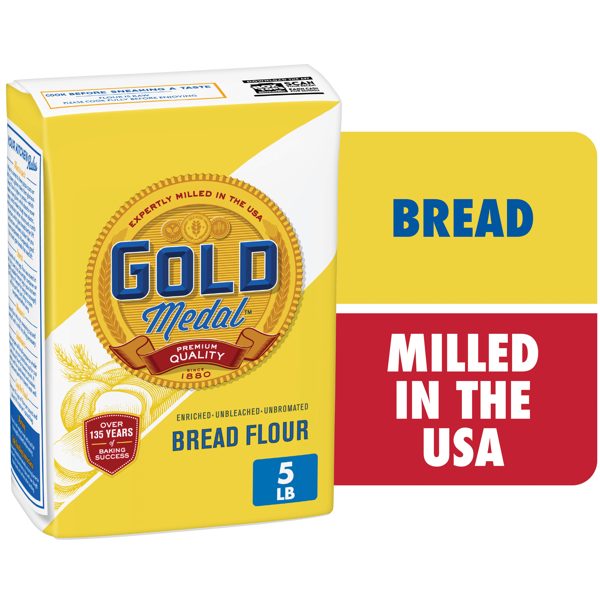
All-purpose flour has moderate protein and handles cookies, pancakes, muffins, pie crusts and many breads. Bread flour has more protein, which builds gluten for chewy loaves, pizza and bagels. If you bake bread often, it is worth keeping both.
Cake flour and self-rising flour
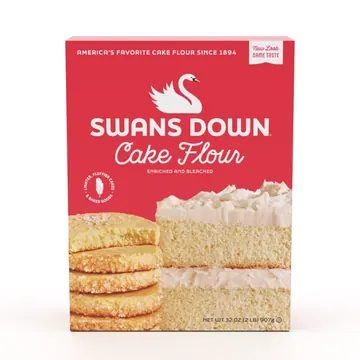
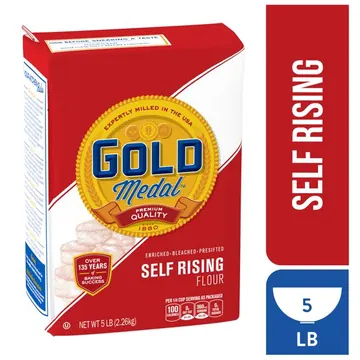
Cake flour is finely milled and low in protein, giving soft, tender layer cakes and cupcakes. Self-rising flour is all-purpose flour with baking powder and salt already mixed in. It is a Southern favorite for biscuits and quick breads. Do not add extra leavening when using it unless the recipe says so.
Whole wheat flour
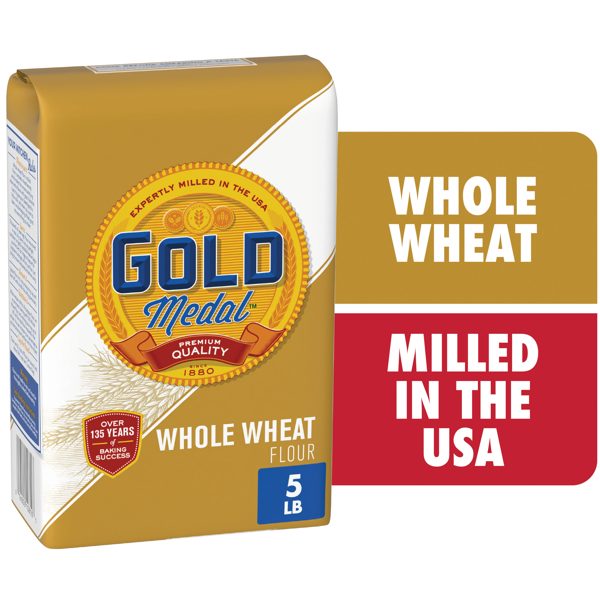
Whole wheat flour includes the bran and germ for more fiber and a nutty taste. It absorbs more liquid and makes denser bakes, so many recipes blend it with white flour. Store it somewhere cool because the natural oils can go stale.
Almond and gluten-free flours
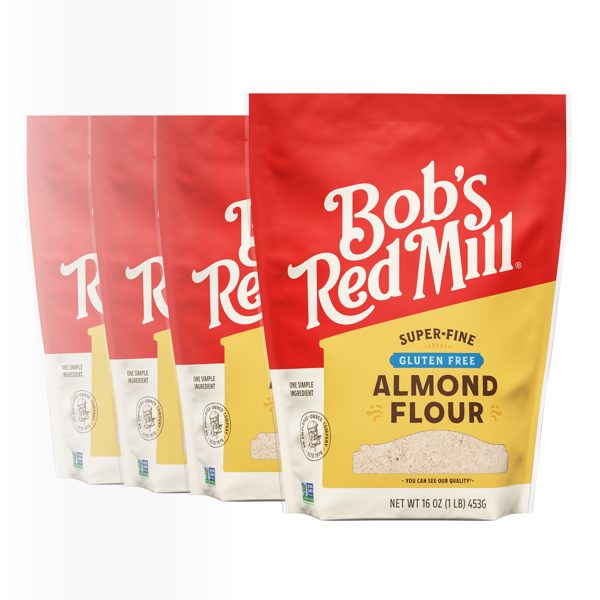
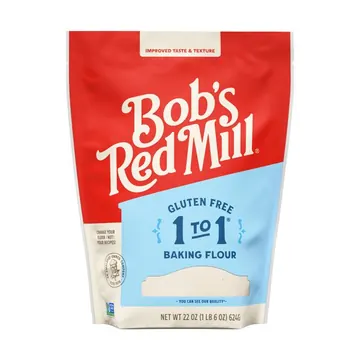
Almond flour is made from ground blanched almonds and is popular in gluten-free and low-carb baking. Gluten-free 1-to-1 blends combine rice flour, starches and binders so they can replace wheat flour in many everyday recipes. For anyone with celiac disease, choose products labeled gluten free and keep equipment clean of wheat flour.
Instant flour for sauces
Quick-mixing flour such as Wondra is pre-cooked and finely granulated, so it dissolves without lumps. It is handy for gravy, pan sauces and dusting fish or chicken before cooking.
Which flours to keep at home
Most home bakers only need two or three flours. All-purpose flour covers nearly everything. Add bread flour if you bake yeast bread or pizza often, and cake flour if you make layer cakes for birthdays. Keep a gluten-free blend or almond flour only if someone in your home needs it, since specialty flours are best used while fresh. Label containers clearly so the flours do not get mixed up.