Sugar-Free Candy: What to Know
Published 2026-11-02
Sugar-free candy lets people enjoy a sweet treat with less sugar. It is popular with people cutting back on sugar and those following specific eating plans. Before buying, it helps to understand how these candies are sweetened and what the label means.
How sugar-free candy is sweetened
Most sugar-free candies use sugar alcohols such as isomalt, maltitol, sorbitol or xylitol, sometimes with high-intensity sweeteners. These ingredients provide sweetness and the texture of candy without regular sugar. The ingredient list on the package shows exactly what is used.
The laxative note
Many sugar-free candies carry a label warning that eating too much may have a laxative effect. That is because sugar alcohols are not fully absorbed. The simple answer is moderation: enjoy a few pieces at a time rather than a whole bag.
Popular options
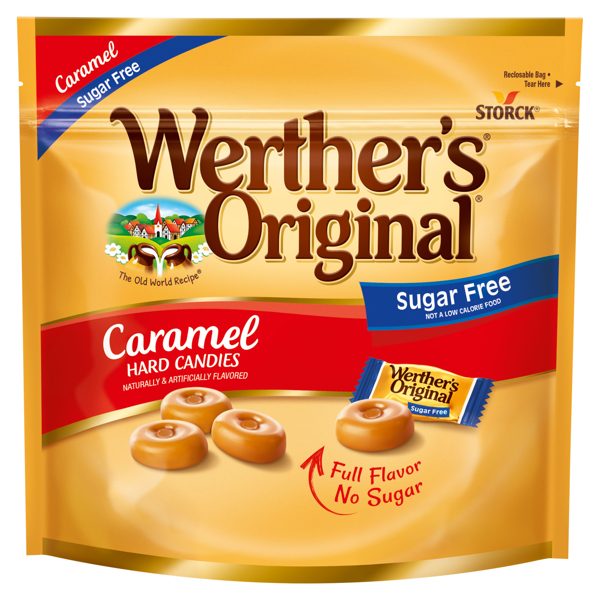
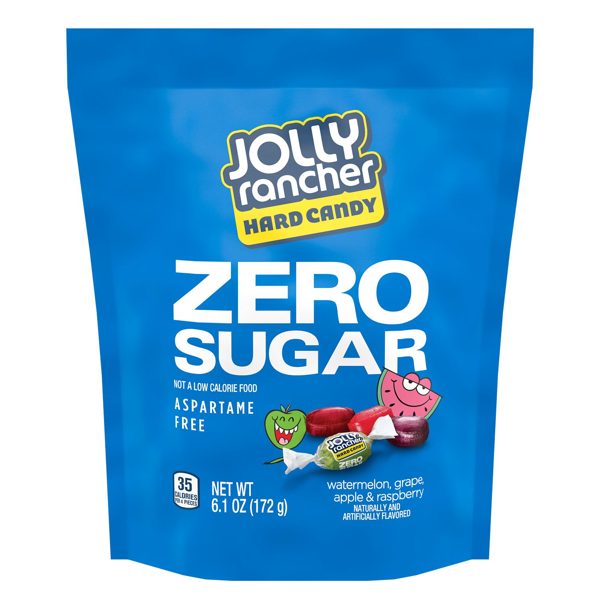
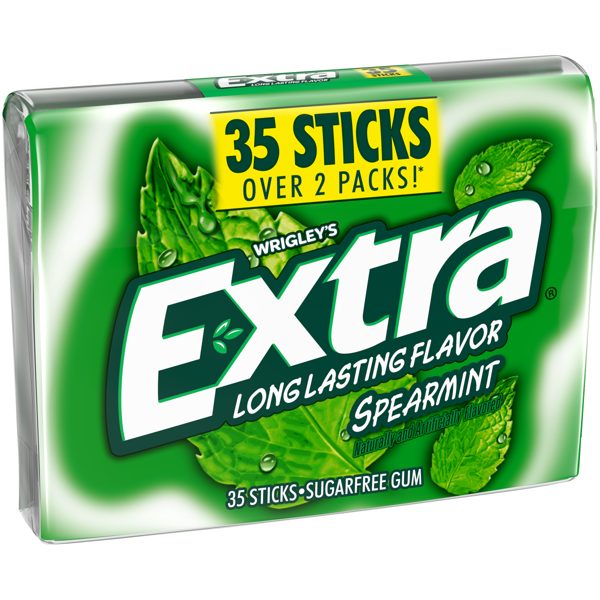
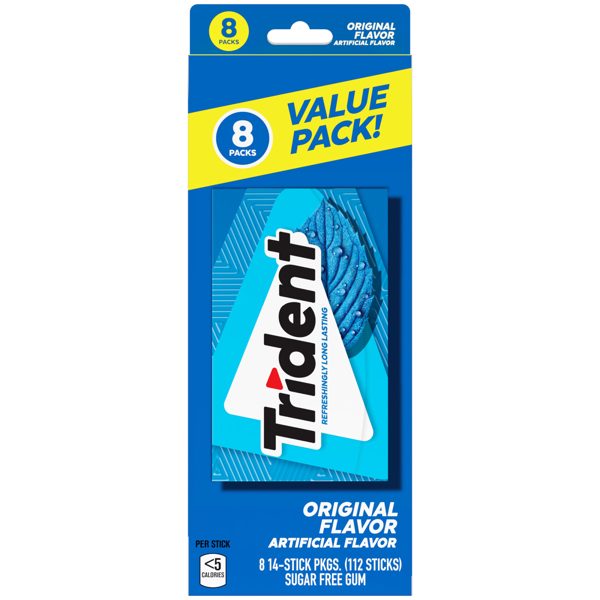
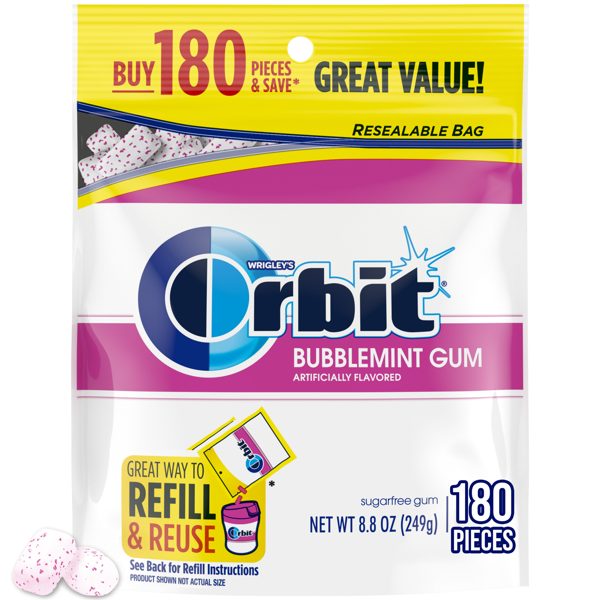
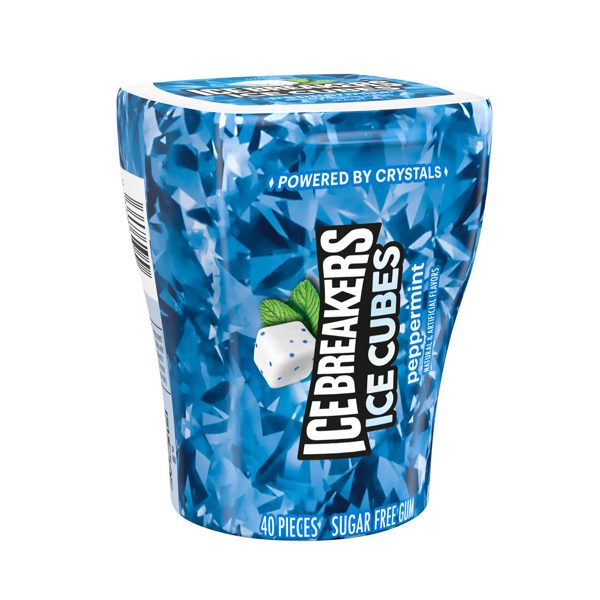
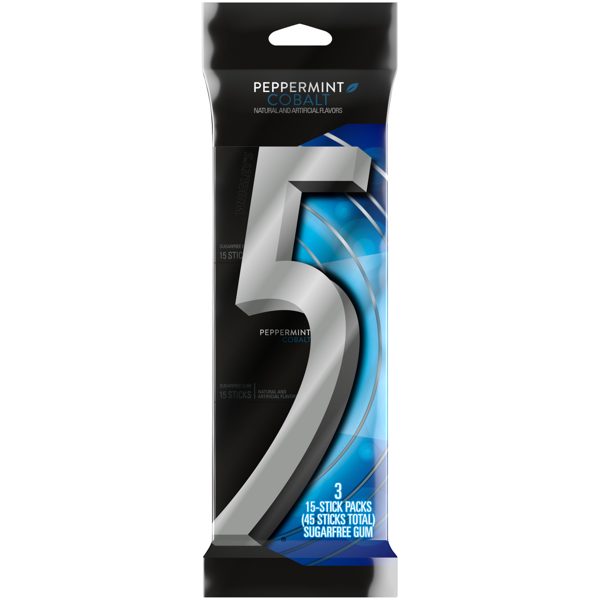
Classic brands offer sugar-free versions with familiar flavors, such as Werther's Original Sugar Free caramels and Jolly Rancher Zero Sugar hard candy. Sugar-free gum is another common choice, including Extra, Trident, Orbit, 5 Gum and Ice Breakers.
Keep pets in mind
Xylitol, used in some sugar-free gums and candies, is known to be dangerous for dogs. Store sugar-free gum and candy well out of reach of pets, and do not leave packs in bags on the floor.
Reading the label
Sugar-free does not always mean low calorie or carbohydrate free. If you are tracking nutrition for health reasons, read the nutrition facts panel and talk to your doctor or dietitian about what fits your plan.
Storing sugar-free candy
Sugar-free hard candy can be more sensitive to humidity than regular candy and may turn sticky if left open. Keep pieces in their wrappers and store the bag sealed in a cool, dry cupboard. Like regular candy, it is best enjoyed before the date on the package. When sharing with guests, let them know which pieces are sugar free so they can choose for themselves.