Roasted vs Raw Almonds: What's the Difference?
Published 2026-11-03
Walk down the nut aisle and you will see almonds labeled natural, raw, roasted, dry roasted and oven roasted. They all start as the same nut, but roasting changes the flavor, the crunch and how well they work in recipes. Here is how to choose the right kind for what you plan to do with them.
What raw or natural almonds are
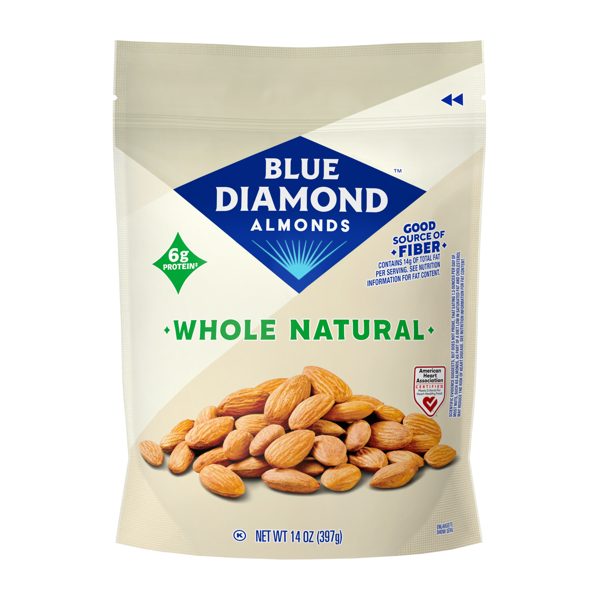
Almonds sold as raw or natural have not been roasted or seasoned. They taste milder and slightly sweet, with a firm, dense crunch. In the United States, almonds sold as raw are typically pasteurized for food safety, which does not make them taste roasted.
What roasting does
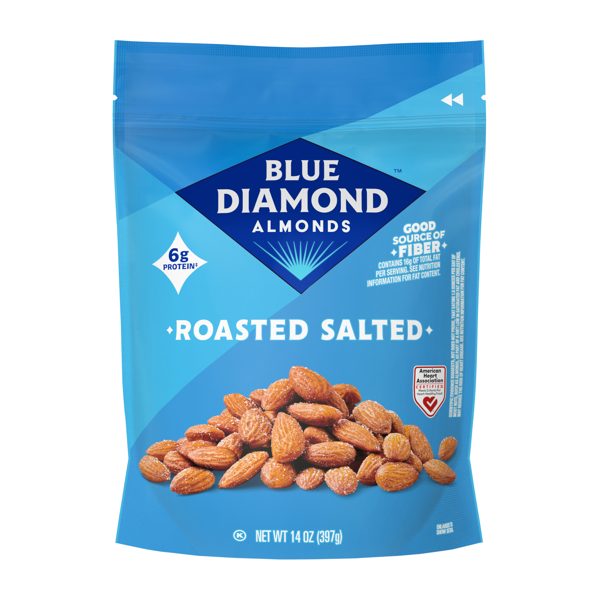
Roasting brings out deeper, toasty flavors and makes the almond crisper and lighter. Dry roasted almonds are roasted without added oil, while oil roasted versions use a small amount of oil, often to help salt and seasonings stick. Roasted almonds are usually what you want for snacking straight from the bag.
Best uses for natural almonds
Natural almonds are best for recipes because you control the flavor and salt: granola, baked goods, homemade almond butter and salads. You can also roast them yourself in the oven for a few minutes to get fresh-roasted flavor whenever you need it.
Best uses for roasted almonds
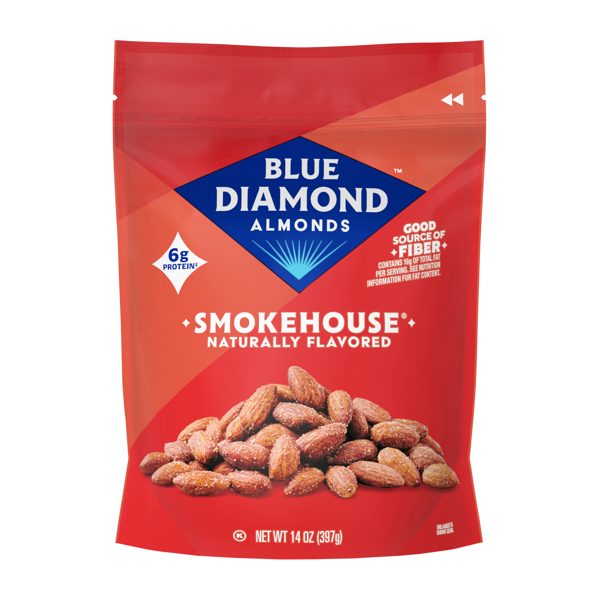
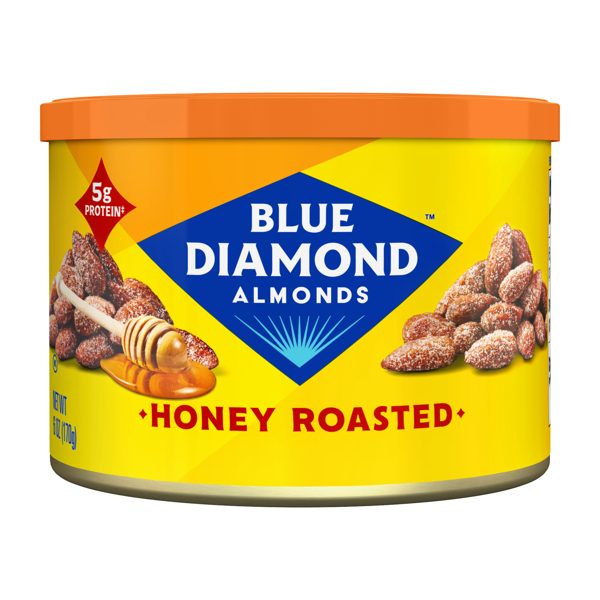
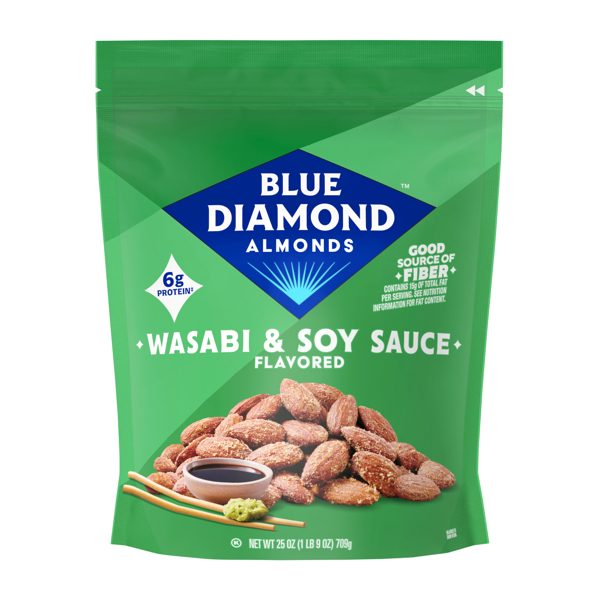
Roasted and salted almonds are ideal for snack bowls, lunch boxes and charcuterie boards. Flavored roasted almonds, like smokehouse or honey roasted, add variety without any work.
Sodium and labels
If you are watching sodium, look for unsalted or lightly salted versions and compare the nutrition panels. Flavor coatings can add sugar, salt or allergens, so read the ingredient list.
Quick tip
Keep a bag of natural almonds for cooking and a can of roasted ones for snacking, and you will rarely need to make a special trip to the store.
How to roast natural almonds at home
Spread natural almonds on a baking sheet and roast at 350°F for about 8 to 12 minutes, stirring once, until fragrant and lightly golden inside. For salted almonds, toss them with a teaspoon of oil and a pinch of salt before roasting. Cool completely before storing in an airtight jar, where they stay crunchy for a week or two.