Light vs Medium vs Dark Roast Coffee Explained
Published 2026-10-26
Roast level is the single biggest clue to how a bag of coffee will taste. The same beans can taste bright and fruity as a light roast or smoky and bold as a dark roast, depending on how long they were roasted. If you have ever bought a bag that tasted too sour or too bitter, the roast level was probably the reason. This guide explains what each roast tastes like and how to choose one you will enjoy every day.
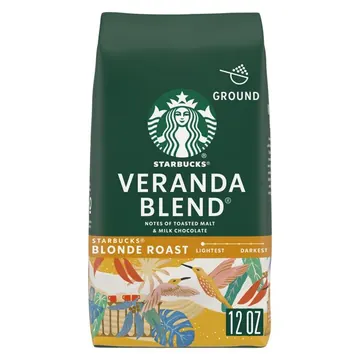
Light roast and blonde roast
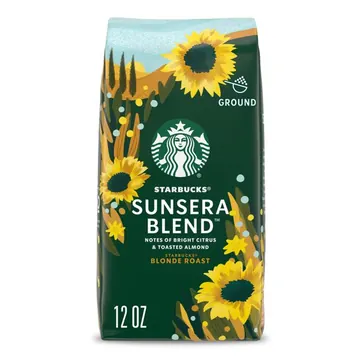
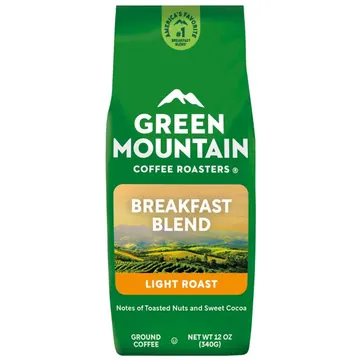
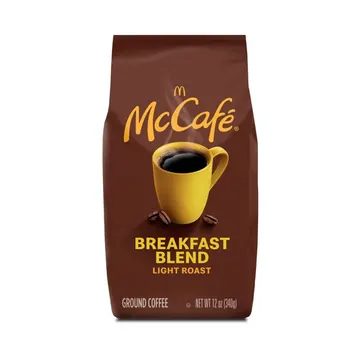
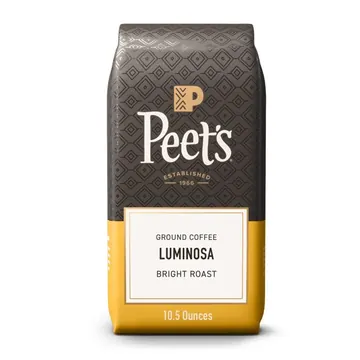
Light roasts, often called blonde, are roasted for the shortest time. They keep more of the bean's original character, so they taste brighter, lighter and sometimes fruity or floral. They pair well with pour-over and drip brewers and are popular as breakfast blends. If you find dark coffee harsh, a light or blonde roast is a good place to start.
Medium roast
Medium roasts are the most common everyday coffees. They balance sweetness, acidity and body and taste like a classic cup of coffee. House blends, Colombian coffees and many breakfast-to-lunch blends sit here. If you are buying for a group of people with different tastes, a medium roast is the safest pick.
Dark roast
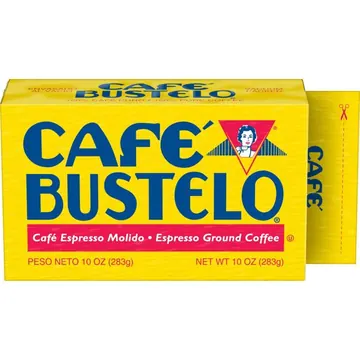
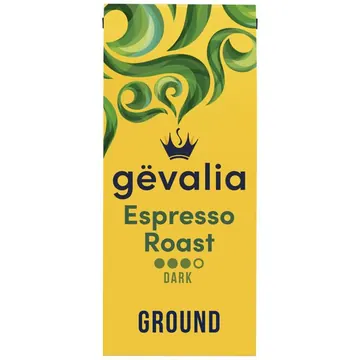
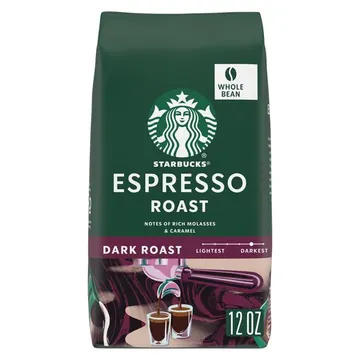
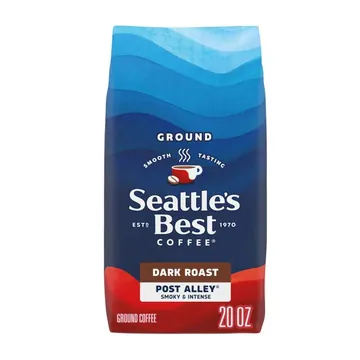
Dark roasts are roasted longest, which brings out roasted, smoky, chocolaty and caramelized flavors and reduces acidity. They taste strong and stand up well to milk and sugar, which is why espresso-style coffees are usually dark. A common myth is that dark roast has much more caffeine. In reality the difference is small, and the amount of coffee you use matters more.
Whole bean vs ground
Whole bean coffee stays fresh longer and lets you grind just before brewing, which gives the fullest flavor. Pre-ground coffee is convenient and works well if you use it within a few weeks. Match the grind to your brewer: medium for drip machines, coarse for French press and cold brew, and fine for espresso.