Kitten Food Guide
Published 2026-10-27
Kittens grow remarkably fast in their first year, and the food they eat has to keep up. Kitten formulas are made with the extra calories and nutrients growing cats need. If you have just brought home a new kitten, the choices can feel overwhelming. This guide covers the basics so you can set up a simple, healthy feeding routine, with your veterinarian as your best guide.
Why choose a kitten formula
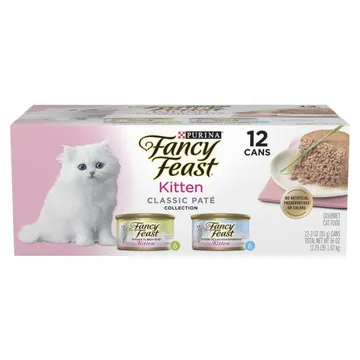
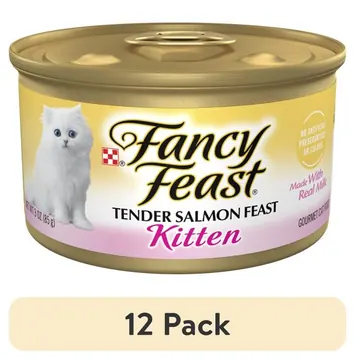
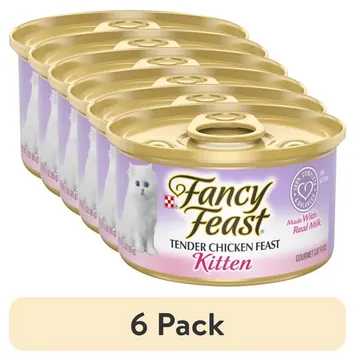
Growing kittens need more energy, protein and certain nutrients than adult cats. Look for food labeled as complete and balanced for growth, or for all life stages, according to AAFCO nutrient profiles. Adult-only cat food may not meet a kitten's needs. Kitten-specific wet foods, like pate and puree styles, are also softer and easier for young kittens to eat.
Wet, dry or both
Wet kitten food provides extra moisture and is very palatable, which helps kittens eat enough. Dry kitten food can be left out longer and is convenient for busy households. Many owners feed a combination, such as wet meals with some dry food available. Throw away uneaten wet food after a short time, and refrigerate opened cans covered according to the label directions.
How often and how much
Young kittens have small stomachs, so they usually eat several small meals a day; the number of meals can be reduced as they grow. Start with the feeding chart on the label, which is based on age and weight, and adjust with your vet's advice as your kitten grows. Always keep fresh, clean water available, and avoid giving cow's milk unless a product is made specifically for cats.
Moving to adult food
Many cats switch from kitten to adult food around their first birthday, though your veterinarian may suggest a different time for your kitten, especially for larger breeds or after spay or neuter surgery. Make the switch gradually over about a week by mixing the foods. Keep up with regular vet visits so your kitten's growth and weight stay on track.