Jerky vs Meat Sticks: What Is the Difference?
Published 2026-11-04
Jerky and meat sticks sit side by side on the shelf and are both called meat snacks, but they are made in different ways and eat very differently. Knowing the difference helps you pick the right one for a lunch box, a hike or a quick bite at your desk.
How jerky is made
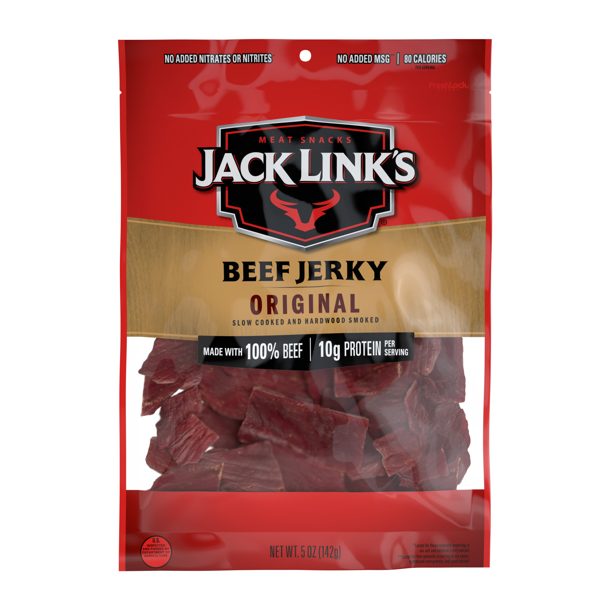
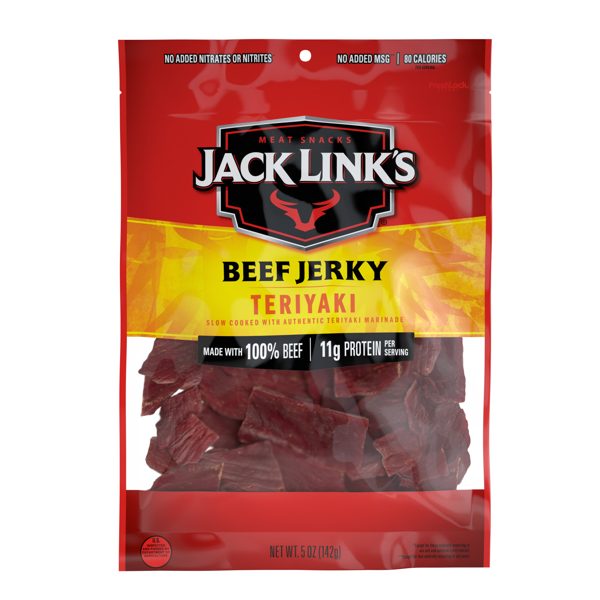
Jerky is made from sliced whole muscle meat, usually beef, turkey or chicken. The slices are marinated, then dried and often smoked until most of the moisture is gone. The result is a chewy strip with visible grain, and the texture depends on how thick it is cut.
How meat sticks are made
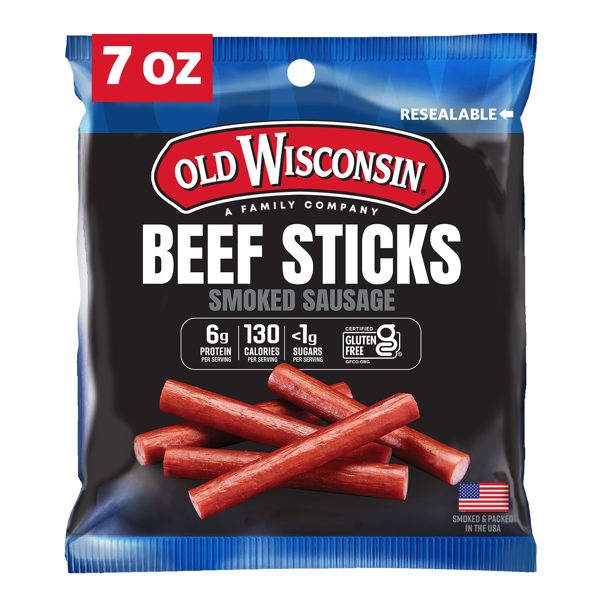
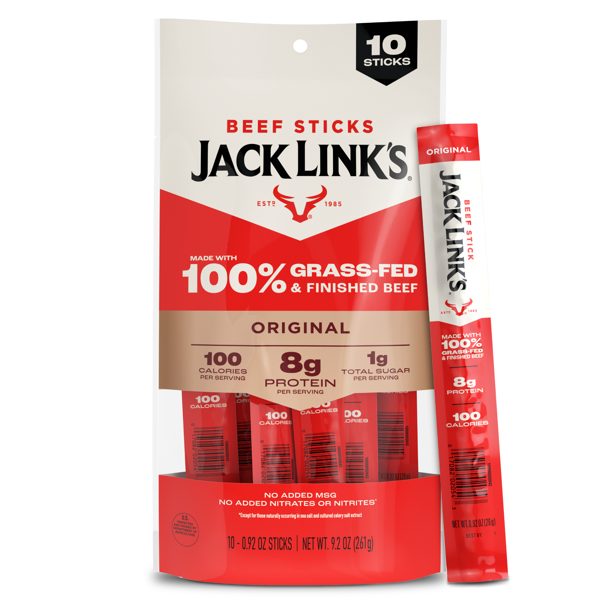
Meat sticks are closer to a dry sausage. Ground meat is mixed with seasonings, stuffed into a casing, smoked and dried. That makes them softer and more uniform than jerky, with a snappy bite from the casing.
Taste and texture
Jerky has a more steak-like flavor and takes longer to chew. Meat sticks are richer and more savory, with a texture similar to salami or summer sausage. Many people who find jerky too tough prefer sticks.
Convenience
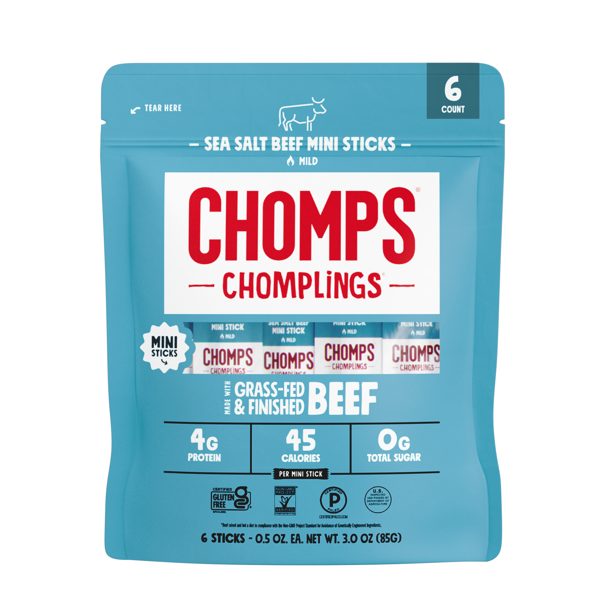
Meat sticks are often individually wrapped, so they are easy to grab and portion. Jerky usually comes in resealable bags, which suits sharing. Both are shelf-stable before opening; follow the storage directions printed on the package.
Which one to choose
For kids and quick single servings, sticks such as Slim Jim, Old Wisconsin or Chomplings are easy. For long, slow snacking or a more natural meat texture, choose jerky. Keeping a bag of each in the pantry covers most snacking moods.
Nutrition differences
Because sticks are made from ground meat, they often contain more fat than lean whole-muscle jerky, which can make them taste richer. Jerky is often higher in protein per ounce. These are general patterns, so compare the labels of the specific products you are considering.
Serving ideas
Jerky is best eaten on its own or chopped into snack mixes. Meat sticks slice easily into coins for crackers, cheese plates and salads, which makes them more flexible for entertaining.