How to Make Fluffy Pancakes From a Mix
Published 2026-10-31
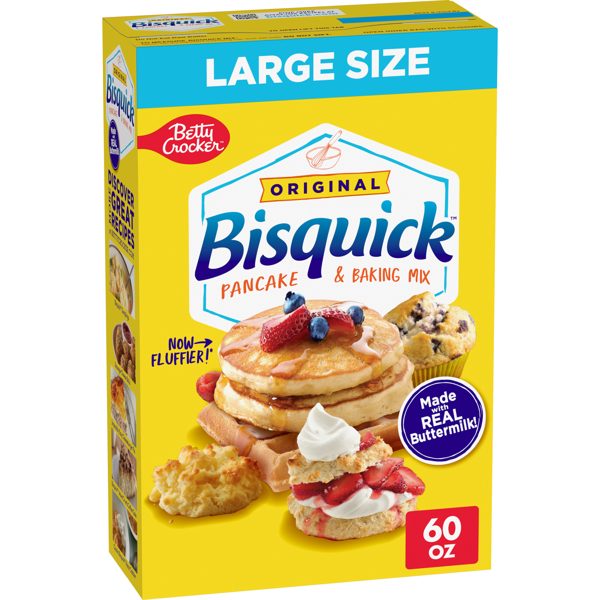
Boxed pancake mix should make light, golden pancakes, but sometimes they come out flat or rubbery. Usually the mix is not the problem; small details in mixing and cooking are. These tips work with both just-add-water mixes and mixes that call for eggs and milk.
Mix gently and let it rest
Stir the batter only until the dry mix is moistened. Lumps are normal and help keep pancakes tender. Overmixing develops gluten and knocks out air. Then let the batter rest for five to ten minutes so the leavening starts working and the flour hydrates, which gives taller pancakes.
Get the griddle temperature right
Heat a griddle or skillet over medium heat, around 350 to 375 degrees F. Test with a drop of water: it should sizzle and dance, not vanish instantly. Lightly grease the surface. Flip each pancake once, when bubbles form across the surface and the edges look set, and do not press it down with the spatula.
Small upgrades
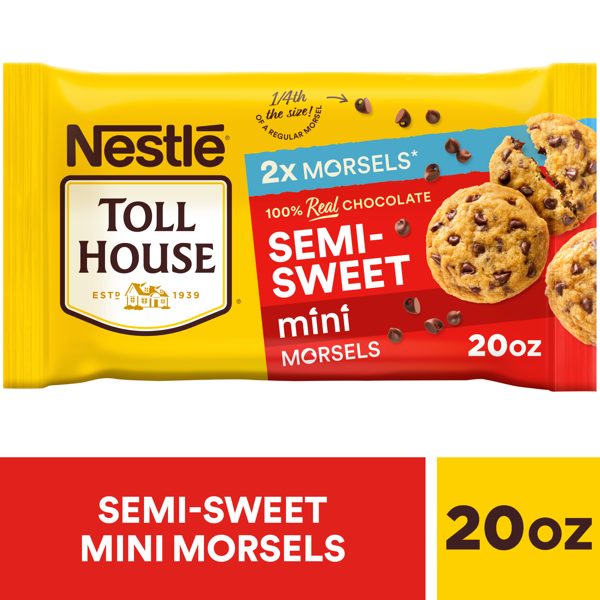
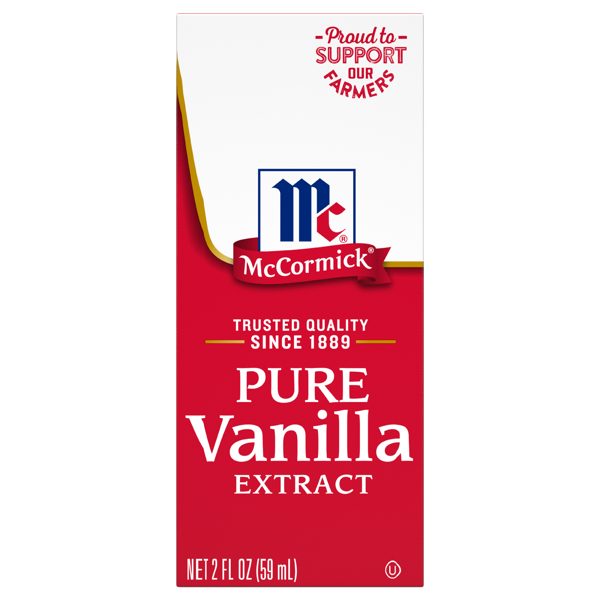
For just-add-water mixes, replacing some of the water with milk or buttermilk adds richness. A splash of vanilla extract and a pinch of cinnamon improve flavor. Add blueberries or mini chocolate chips by sprinkling them on each pancake right after pouring, so they spread evenly and do not sink.
Cooking for a crowd
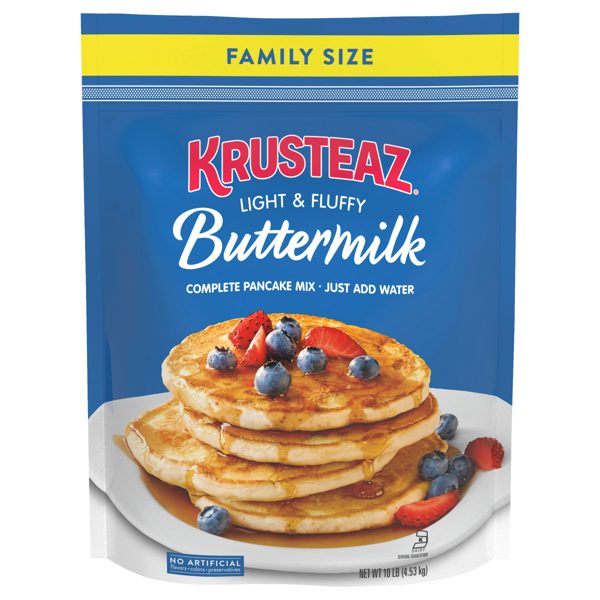
Large bags of complete pancake mix are economical for big families and weekend gatherings. Keep finished pancakes warm on a baking sheet in a low oven, about 200 degrees F, in a single layer so they do not get soggy. Leftover pancakes freeze well; reheat them in the toaster.
Troubleshooting common pancake problems
Pancakes that are pale outside and raw inside mean the griddle is too cool or the batter is too thick; thin it with a little liquid. Pancakes that burn before cooking through mean the heat is too high. Tough, chewy pancakes usually come from overmixing. Flat pancakes can point to old mix, so check the date on the box and store the bag sealed.