How Long Does Canned Food Last?
Published 2026-10-28
Canned food is one of the longest-lasting things you can store, which is why it is the backbone of most pantries and emergency kits. But cans do not last forever, and how you store them matters. Here is what the dates on cans mean, general shelf life guidance, and the warning signs that a can should go in the trash.
What the dates mean
Most canned foods carry a best-by or best-if-used-by date. According to the USDA, these dates are about quality, such as flavor and texture, rather than safety. A properly stored can that is in good condition may still be safe after that date, but quality slowly declines. For the best taste, use cans before the date and rotate older stock to the front.
General shelf life guidance
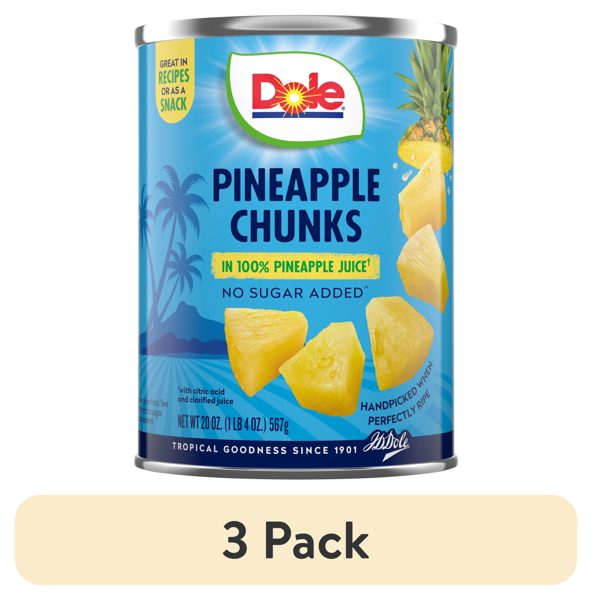
USDA guidance says high-acid canned foods, such as tomatoes, fruit and juice, generally keep their best quality for about 12 to 18 months. Low-acid canned foods, such as meat, poultry, fish, soups, beans and most vegetables, can keep their best quality for about two to five years. These are general guidelines, so follow any specific directions printed on the label.
How to store cans
Keep cans in a cool, clean, dry place, ideally below about 85 degrees Fahrenheit. Avoid spots above the stove, under the sink, in damp basements or in hot garages and cars, since heat and moisture speed up quality loss and can cause rust. Do not freeze cans. Once a can is opened, move leftovers to a covered glass or plastic container and refrigerate them.
When to throw a can away
Discard any can that is bulging, leaking, deeply dented along a seam, badly rusted, or that spurts liquid or smells off when opened. Do not taste food from a damaged can to check it. A simple first-in, first-out routine, where you write the purchase date on new cans and place them behind older ones, keeps your pantry fresh with very little effort.
Track your pantry
A simple shopping list with dates helps you see what needs to be used soon.