How Long Does Beef Jerky Last?
Published 2026-11-04
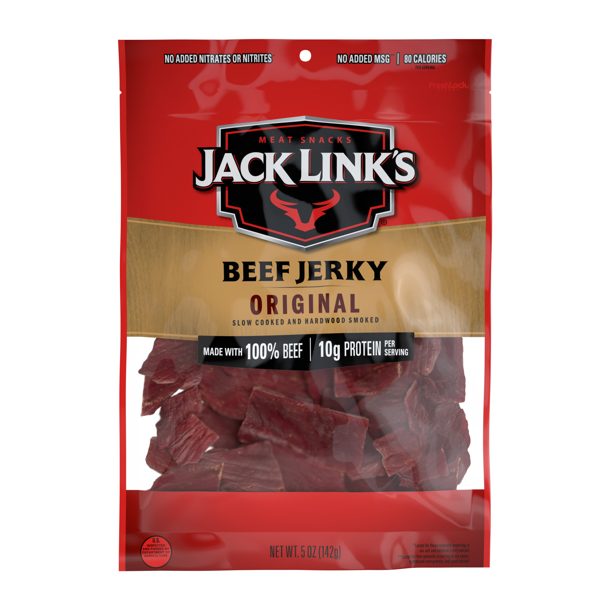
Store-bought jerky is one of the most shelf-stable snacks you can buy, which is why it is popular for road trips, camping and emergency kits. But once you open the bag, the clock starts ticking. Here is what to know about jerky shelf life and storage so you get the best flavor and avoid waste.
Unopened bags
Commercial jerky is dried and packed to stay safe at room temperature until the best-by date printed on the package. Store unopened bags in a cool, dry place away from direct sun and heat. A hot car trunk or a sunny windowsill can shorten its quality life.
After opening
Once opened, jerky starts to absorb moisture and lose its texture. Many brands recommend refrigerating after opening and eating within a few days, so always follow the directions on your specific package. Squeeze out the air and press the zipper closed tightly every time.
That little packet in the bag
Many jerky bags include a small oxygen absorber packet. It helps keep the jerky fresh by removing oxygen from the sealed bag. It is not food, so throw it away and keep it away from kids and pets.
Signs jerky has gone bad
Throw jerky out if you see mold, notice a sour or rancid smell, or the pieces feel wet or slimy. If you are unsure, do not eat it. Jerky that is just a little harder than usual is usually only dried out, but quality fades with time.
Tips to waste less
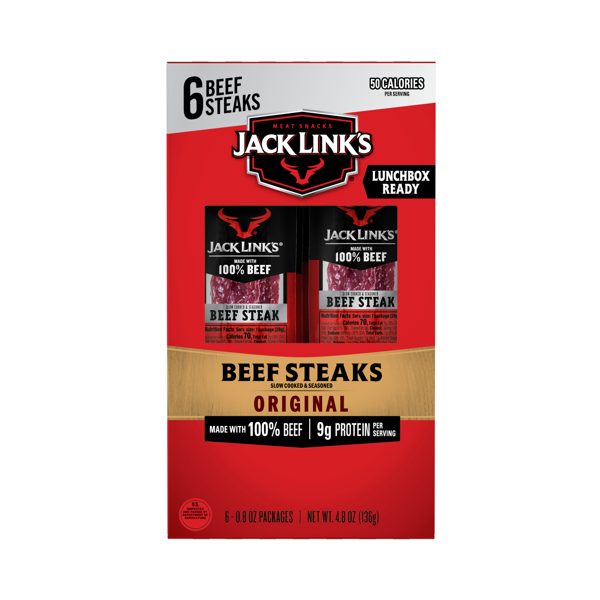
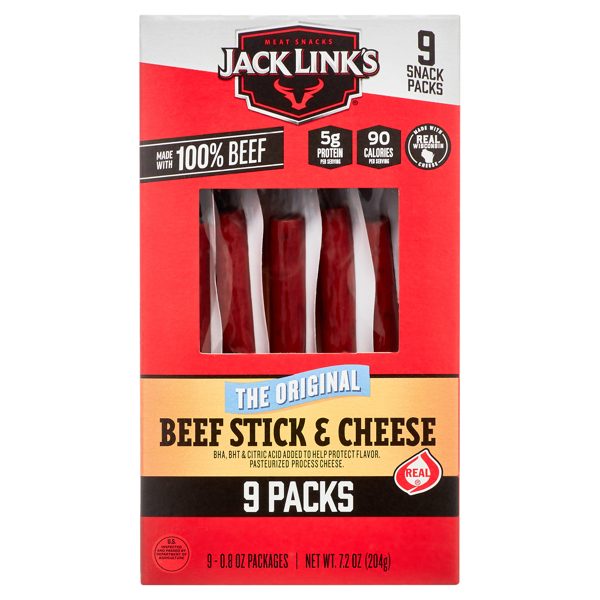
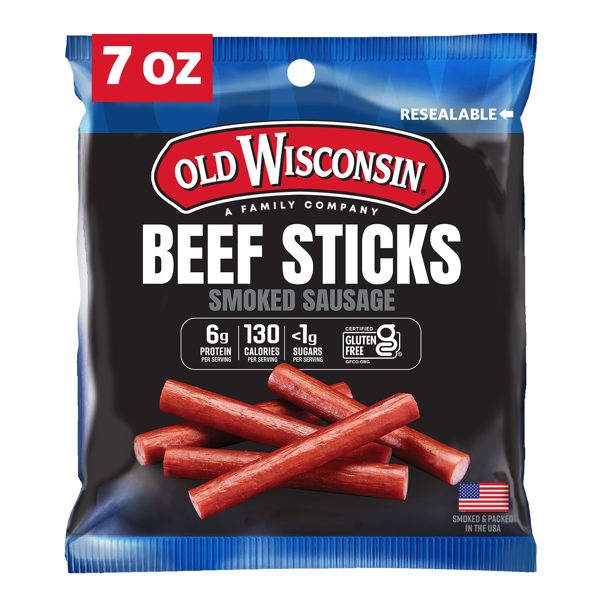
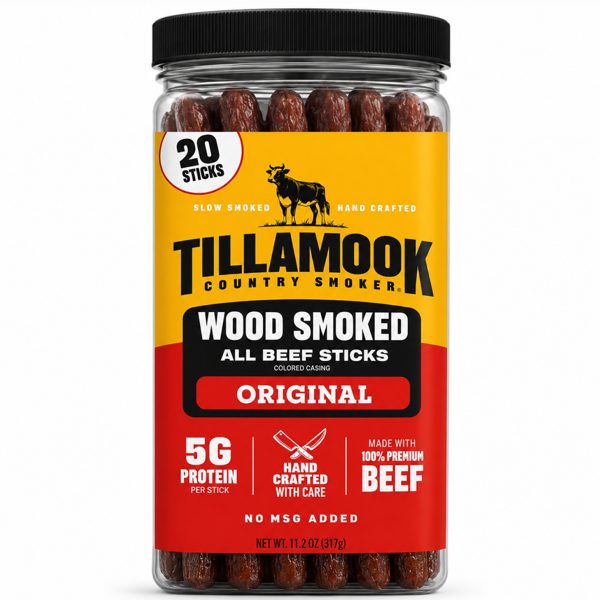
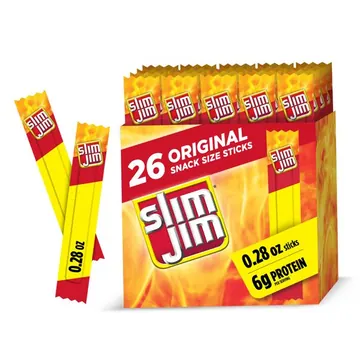
Buy smaller bags or individually wrapped sticks if you only snack occasionally. Multi-packs of single-serve steaks or sticks stay sealed until you open each one, which makes them ideal for glove boxes, desk drawers and lunch boxes.
Can you freeze jerky?
If you buy a large bag and will not finish it soon, you can freeze portions in airtight freezer bags to slow quality loss. Thaw in the fridge and eat soon after thawing. Freezing can change the texture slightly, making jerky a bit softer or drier, but it is a useful way to stretch a bulk purchase.
Homemade vs store-bought
This guide is about commercial, packaged jerky. Homemade jerky usually has a much shorter shelf life because it is not packed with oxygen absorbers or in sealed bags, so it should be refrigerated and eaten sooner.