Hard Candy vs Chewy Candy
Published 2026-11-02
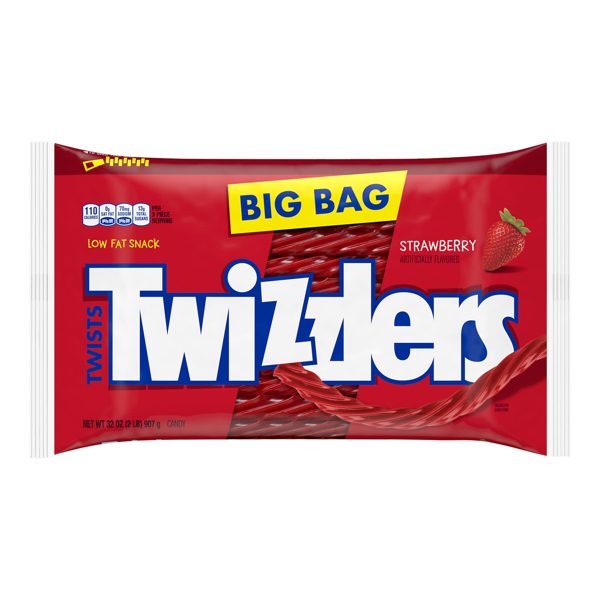
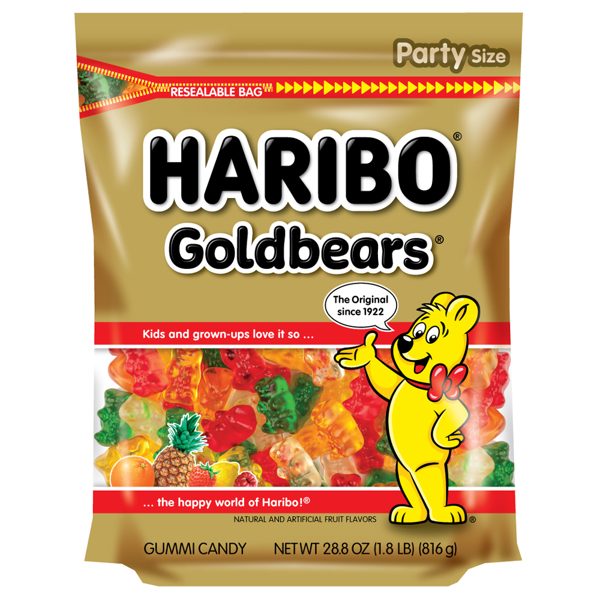
Candy aisles split broadly into hard candies that dissolve slowly and chewy candies like gummies, licorice and fruit chews. Each has a place in the pantry. This guide explains the differences and when each type is the better pick for your household.
How they are made
Hard candy is made by cooking sugar syrup to a high temperature so most of the water boils away, then shaping it as it cools into a glassy candy. Chewy candy keeps more moisture and often includes gelatin, starch or other ingredients that make it soft and stretchy.
How long they last
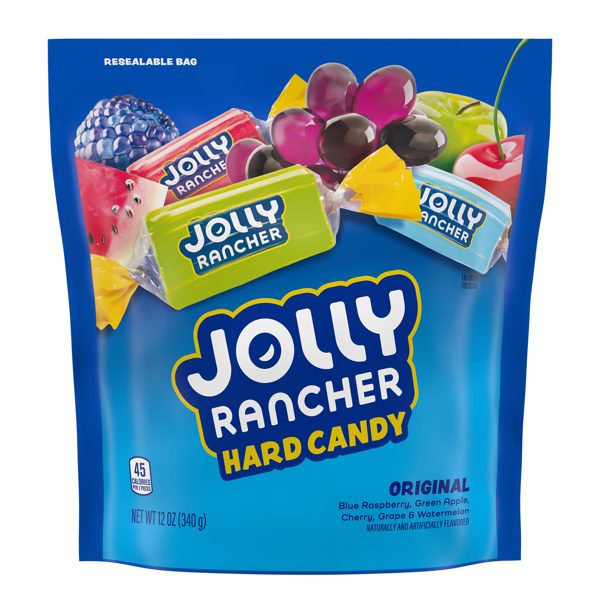
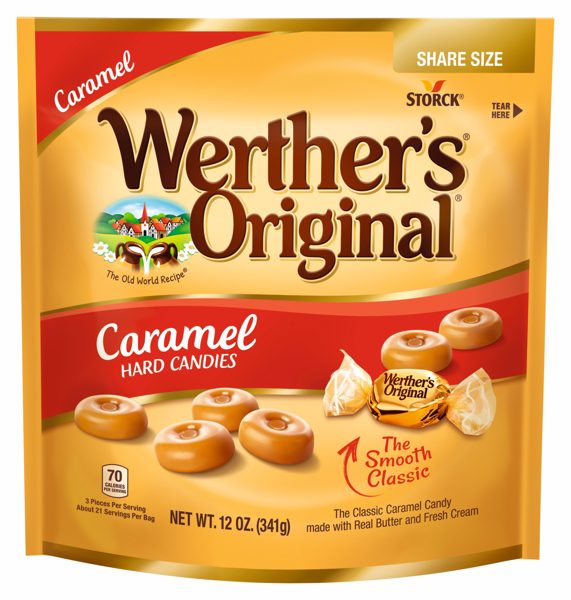
Hard candies such as Jolly Rancher or Werther's Original last a long time when kept dry and wrapped, which makes them ideal for candy dishes, desks and cars. Chewy candies keep well when sealed but can dry out or harden once a bag is left open.
Eating experience
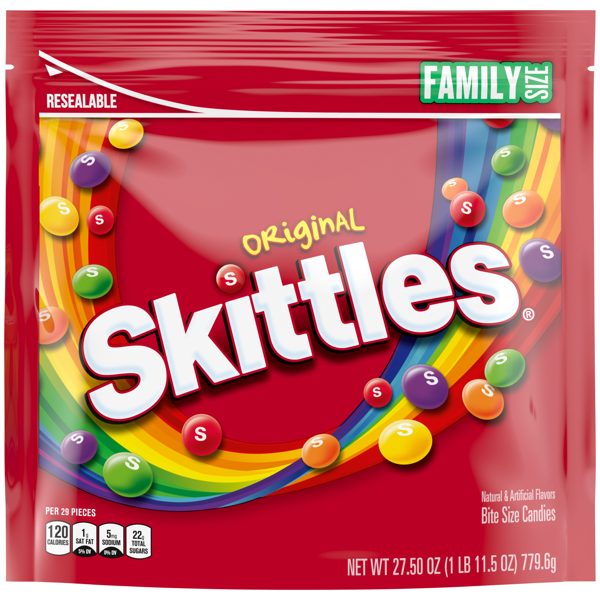
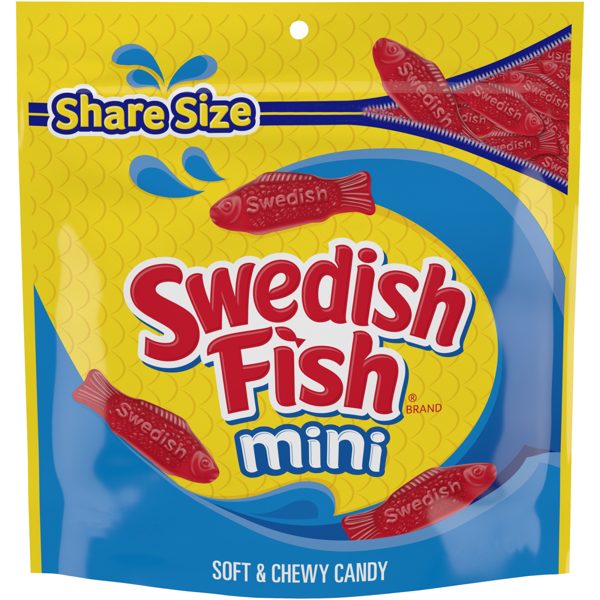
Hard candy lasts longer in the mouth, so one piece can last through a meeting or a drive. Chewy candy is eaten faster and is often shared by the handful, which makes it the classic movie snack. Many people keep both for different moments.
For travel and work
Individually wrapped hard candies are tidy and easy to carry. Chewy candy in a resealable bag works well for road trips. Neither type melts like chocolate, so both are good choices for warmer weather.
Safety note
Hard candies and small chewy candies can be a choking risk for young children. Follow the age guidance on the package and supervise little ones when they are eating candy.
Sugar-free versions
Both hard and chewy candies come in sugar-free versions. Sugar-free hard candy is the most common, such as sugar-free caramels and zero sugar fruit candies. These are sweetened with sugar alcohols, which can cause stomach upset if you eat a lot at once, so check the label and enjoy a few pieces at a time. Keep sugar-free candy away from pets, since some sweeteners are harmful to dogs.