Diet Coke vs Coke Zero Sugar
Published 2026-10-27
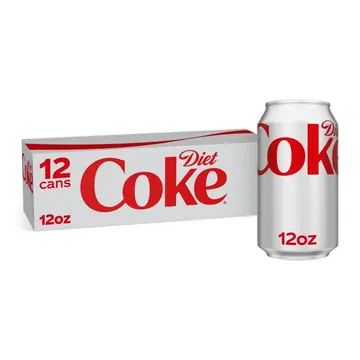
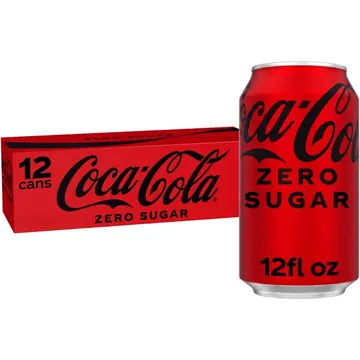
Diet Coke and Coca-Cola Zero Sugar both have zero sugar and zero calories, so many shoppers assume they are the same drink in different cans. They are not. They have different flavor goals, slightly different sweetener blends and different caffeine levels. This guide lays out the differences so you can pick the one you will actually enjoy.
Different taste goals
Coca-Cola Zero Sugar is designed to taste as close as possible to original Coca-Cola. Diet Coke has its own lighter, distinct flavor that was never meant to copy the original recipe. That is why some people who dislike Diet Coke enjoy Coke Zero Sugar, and vice versa. If you love the taste of regular Coke and want to skip sugar, Zero Sugar is the usual starting point.
Sweeteners
Diet Coke is sweetened with aspartame. Coca-Cola Zero Sugar uses a blend of aspartame and acesulfame potassium. Both contain phenylalanine, so the cans carry a warning for people with phenylketonuria. Ingredient formulas can change over time, so check the label on the pack you buy if you are avoiding a particular sweetener.
Caffeine
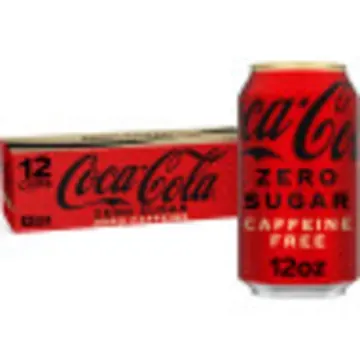
According to Coca-Cola, a 12-ounce can of Diet Coke has about 46 milligrams of caffeine, while a 12-ounce can of Coca-Cola Zero Sugar has about 34 milligrams. Both are less than a typical cup of brewed coffee. If you want no caffeine at all, look for caffeine-free versions, which are sold for both regular Coke and Coke Zero Sugar.
Picking the right pack
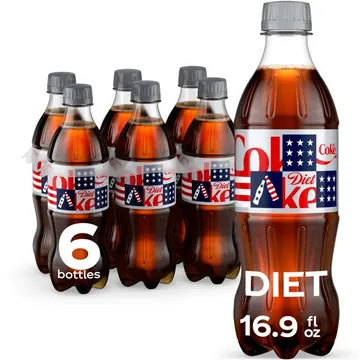
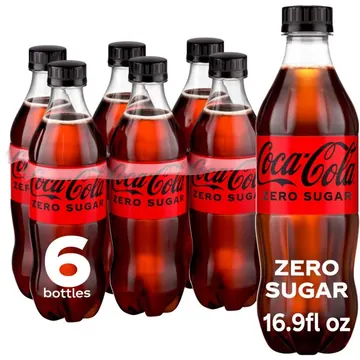
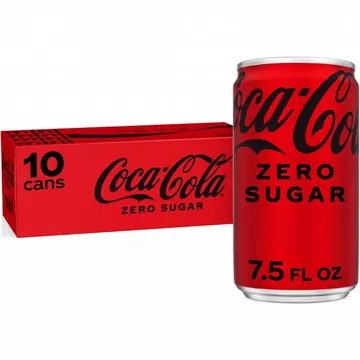
Both drinks come in 12-ounce fridge packs, 7.5-ounce mini cans and plastic bottles. Mini cans are a nice way to try the one you have not tasted before. For a household with split preferences, buying one pack of each avoids arguments. Cherry and other flavored zero-sugar versions are another option if you want variety. Whichever you choose, serve it well chilled; most people find zero-sugar sodas taste best ice cold, and the flavor differences between the two are easiest to notice side by side.