Condensed vs Ready-to-Serve Soup
Published 2026-10-28
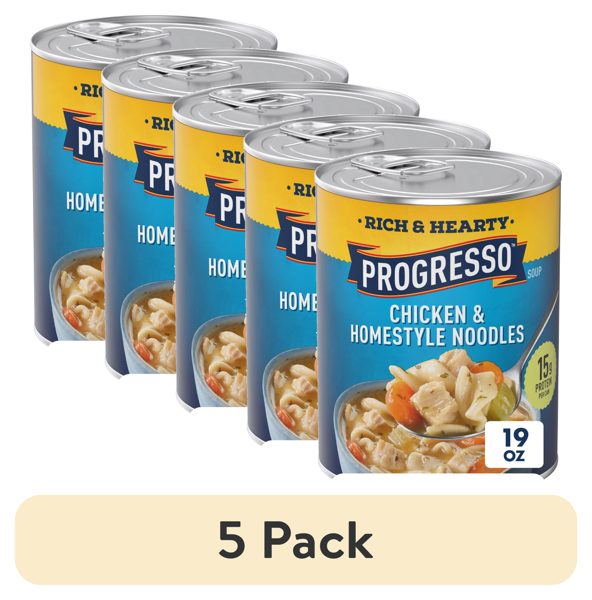
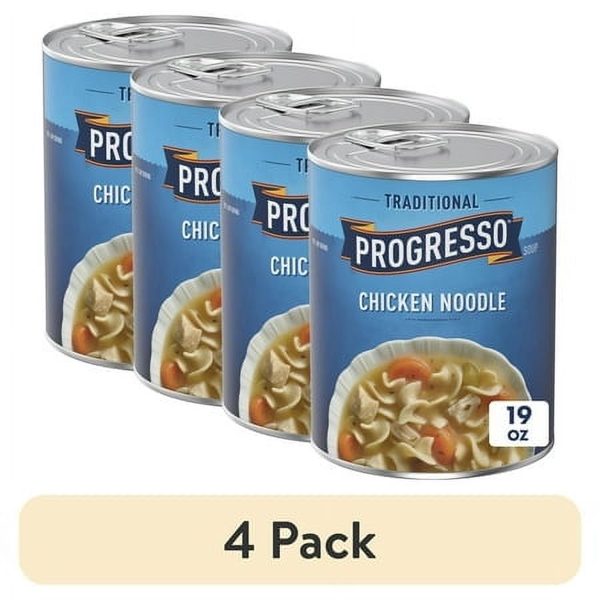
Walk down any soup aisle and you will see two very different kinds of cans sitting side by side. Small cans of condensed soup are concentrated, so you add a can of water or milk before heating. Bigger cans of ready-to-serve soup, such as chunky or hearty styles, are already at eating strength and only need to be warmed up. Both are useful, and knowing how they differ helps you pick the right one for a quick lunch, a family dinner or a casserole recipe.
How each type works
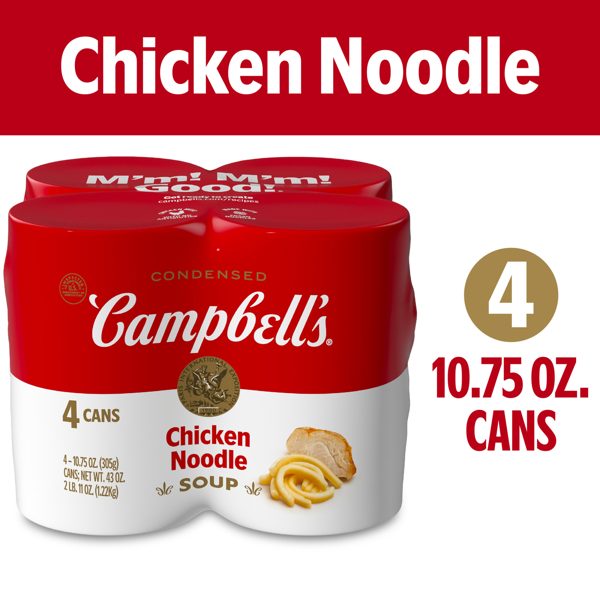
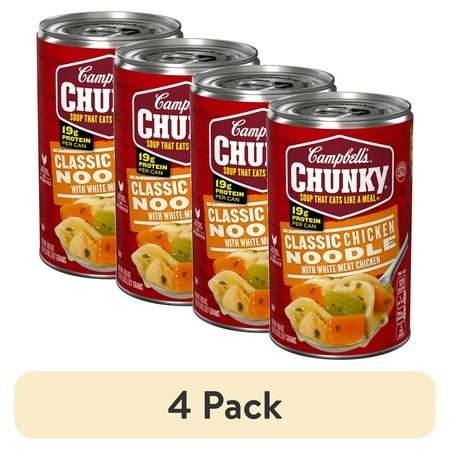
Condensed soup has had much of its water removed, which is why a 10.5 or 10.75 ounce can makes roughly two cups of soup once you stir in an equal can of liquid. Ready-to-serve soup comes in cans of around 18 to 19 ounces and is poured straight into a pot or microwave-safe bowl. If a label tells you to add water, it is condensed; if it says ready to serve or heat and serve, it is not. Always follow the directions printed on the can.
Taste, texture and portions
Because you choose the liquid, condensed soup can be thinned with water for a light bowl or made creamier with milk. Ready-to-serve soups tend to have bigger pieces of meat, vegetables and noodles, and a single can is often a filling meal for one hungry adult. Condensed soups are smoother and simpler, which many kids prefer. Compare serving sizes and nutrition panels, since sodium and calories vary a lot between brands and recipes.
Which is better for cooking
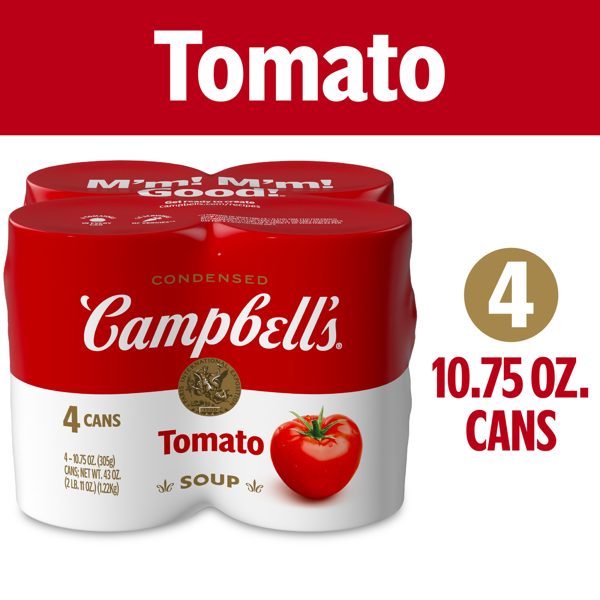
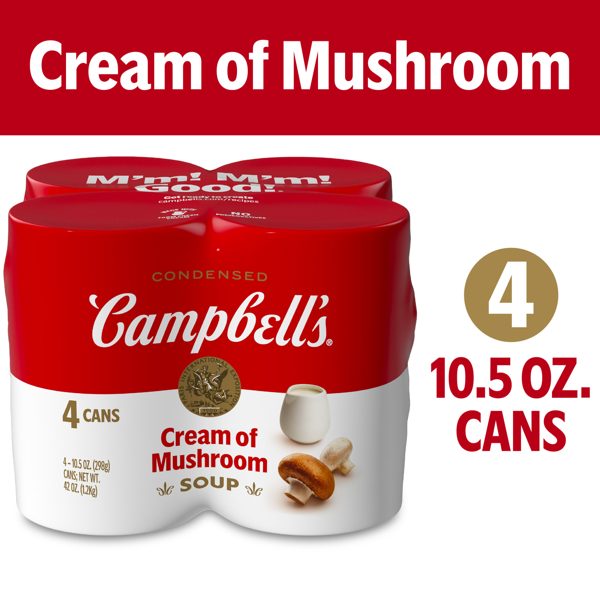
Condensed soup is the classic recipe ingredient. Cream of mushroom, cream of chicken and tomato soup act as an instant sauce for casseroles, pot pies, slow cooker meals and baked pork chops, because they are thick enough to coat everything. Ready-to-serve soups are made to be eaten as they are, though a can of chunky soup can also be poured over rice or used as a quick pasta sauce.
Stocking your pantry
A smart mix is a few multi-packs of condensed basics for recipes and sick-day bowls, plus several cans of ready-to-serve soup for grab-and-go lunches. Multi-packs usually cost less per can than buying singles. Store cans in a cool, dry cupboard, rotate older cans to the front, and skip any can that is bulging, leaking or badly dented.