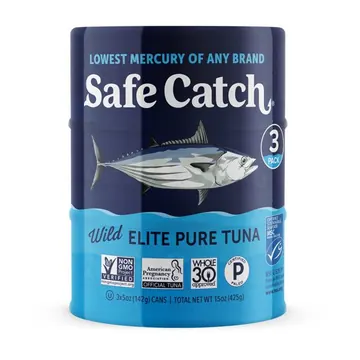
Chunk Light vs Solid White Albacore Tuna
Published 2026-10-28
Canned tuna labels can be confusing. Chunk light, solid white, albacore, in water, in oil and less sodium all describe different things. Once you know what the words mean, choosing the right can for tuna salad, a tuna melt or a casserole becomes simple. This guide breaks down the main types and how to use each one.
What the labels mean
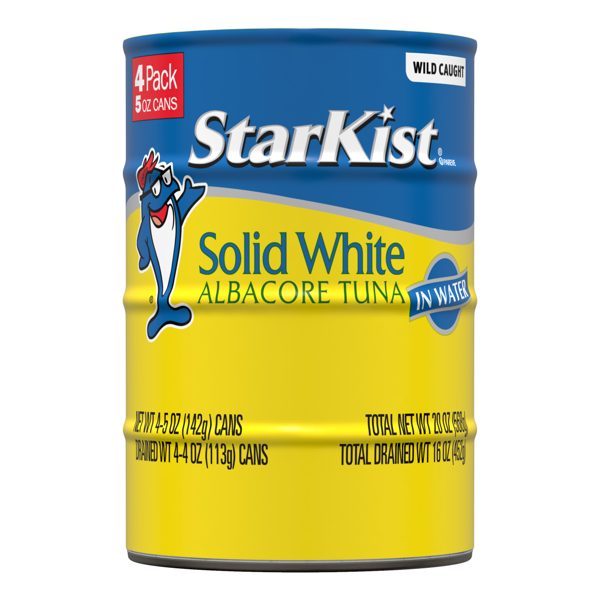
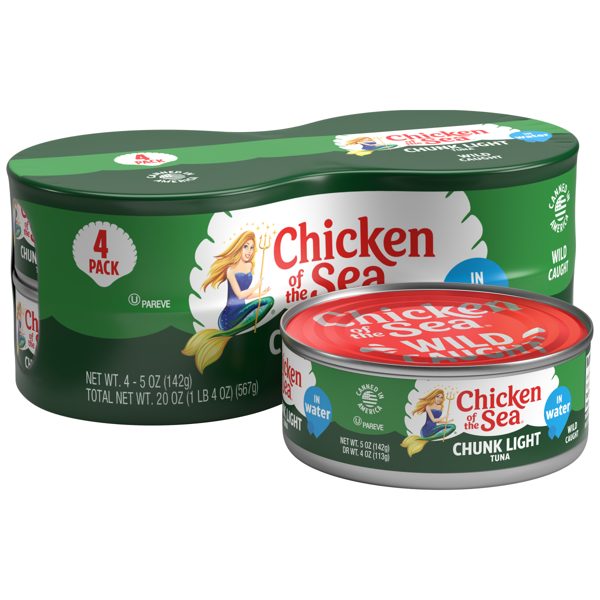
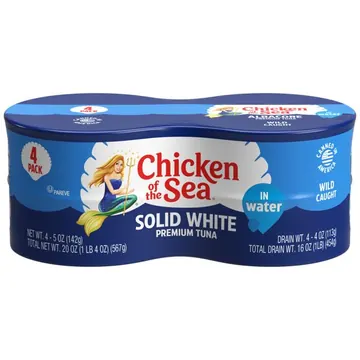
Light tuna usually comes from smaller tuna species such as skipjack, and is typically sold in chunk form, meaning smaller flaked pieces. Solid white tuna is albacore, a larger species with lighter-colored, firmer meat sold in bigger pieces. Packed in water keeps the flavor clean and lean, while packed in oil gives a richer, moister result. Less sodium versions simply contain less salt than the standard can; check the label to compare.
Flavor and texture
Chunk light tuna has a stronger, more savory flavor and a softer texture that mixes easily into salads and casseroles. Albacore is milder with large, firm flakes, which many people prefer for sandwiches where you want visible pieces of fish, or for topping a green salad. Neither is better overall; it depends on the dish and your taste.
Price and nutrition
Chunk light tuna is generally the budget choice, especially in multi-packs. Albacore usually costs more per can. Both are good sources of protein, and labels list grams per serving or per can. If you have questions about how often to eat tuna, particularly during pregnancy or for young children, follow guidance from the FDA or your doctor, since recommendations differ between light tuna and albacore.
Best uses for each
Use chunk light for tuna noodle casserole, tuna patties, pasta salads and dips where the tuna is mixed with other ingredients. Use solid white albacore for tuna salad sandwiches, wraps, tuna melts and salads where the texture shows. Drain cans well, and flake tuna with a fork before mixing with mayonnaise, mustard, celery or pickles for the classic salad.
Storage tip
Keep unopened cans in a cool, dry cupboard and check the best-by date. After opening, move any leftover tuna to a covered container in the refrigerator rather than storing it in the open can.