Canned Chili With Beans vs No Beans
Published 2026-10-28
Canned chili is a fast, hearty meal and a handy topping, but the first choice you make is beans or no beans. The two styles taste similar, yet they behave differently in recipes. Chili with beans is a meal in a bowl, while chili without beans is smoother and meatier, which makes it ideal as a sauce. Here is how to decide, plus tips on sizes and serving ideas.
Chili with beans
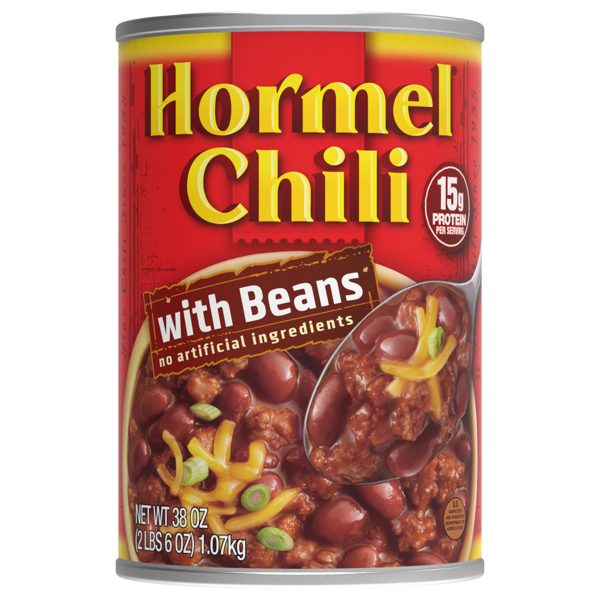
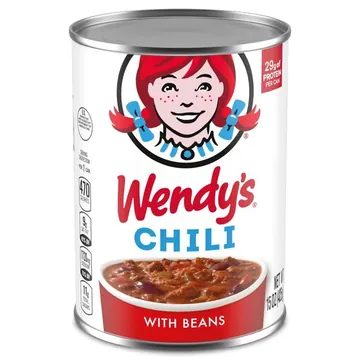
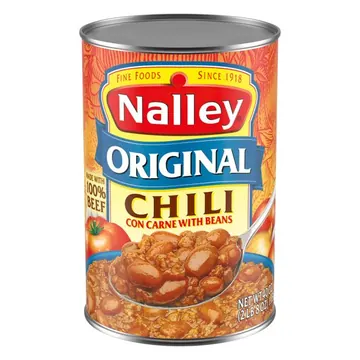
Chili with beans combines seasoned meat with kidney or pinto beans, so it is thicker and more filling. It is the best pick when chili is the main dish: serve it in a bowl with shredded cheese, onions and crackers, or ladle it over rice. Beans add fiber and help a can stretch further for a family. Many labels list protein per serving, which is useful if you are comparing brands.
Chili with no beans
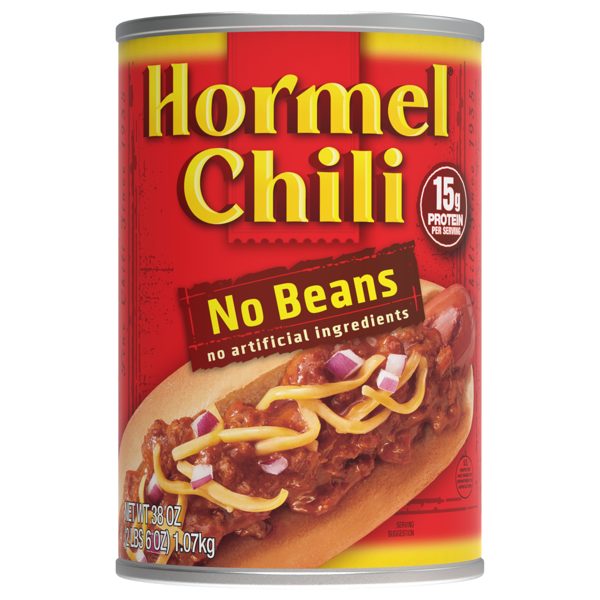
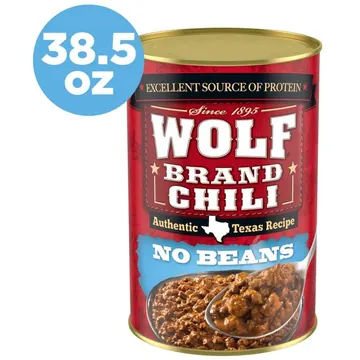
No-bean chili is smoother and spreads evenly, which is why it is the classic choice for chili dogs, chili cheese fries, coney-style sauces and chili mac. It also works well layered in enchiladas or spooned over stuffed bell peppers. If you like beans but need a smooth topping, buy no-bean chili and add your own drained beans to the portion you serve in bowls.
Can sizes and value
Standard cans are around 15 ounces, roughly two servings. Large 38 to 40 ounce cans are made for families, game days and potlucks, and usually cost less per ounce. Multi-packs of standard cans are easier if you only need a little at a time, since an opened large can must be refrigerated and used within a few days.
Make canned chili taste homemade
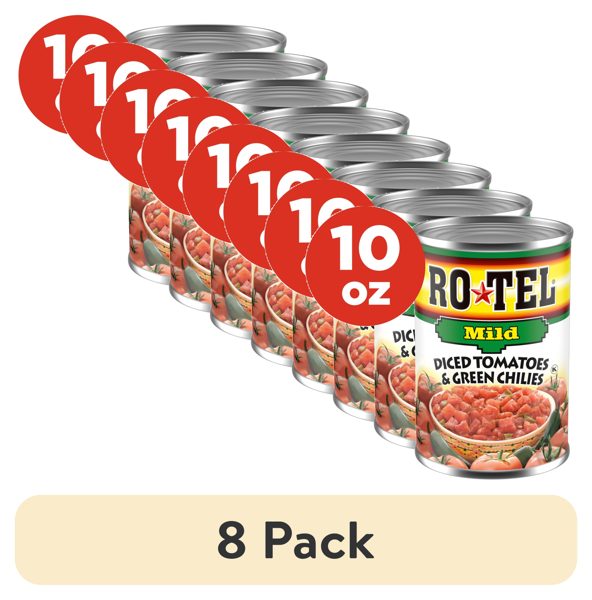
Saute a little onion and garlic before adding the chili, then stir in a spoonful of chili powder or cumin and a can of diced tomatoes with green chilies. Simmer for ten minutes to let the flavors blend. Top with sour cream, cheddar, sliced jalapenos or crushed tortilla chips. Leftover chili freezes well in covered containers.