Campbell's vs Progresso Soup
Published 2026-10-28
Campbell's and Progresso are two of the best-known canned soup brands in America, and many families keep both in the pantry. They overlap in flavors like chicken noodle and clam chowder, but their product lines are built differently. Rather than declaring one winner, this guide explains what each brand is known for so you can choose the right can for the meal in front of you.
Campbell's: condensed classics and Chunky
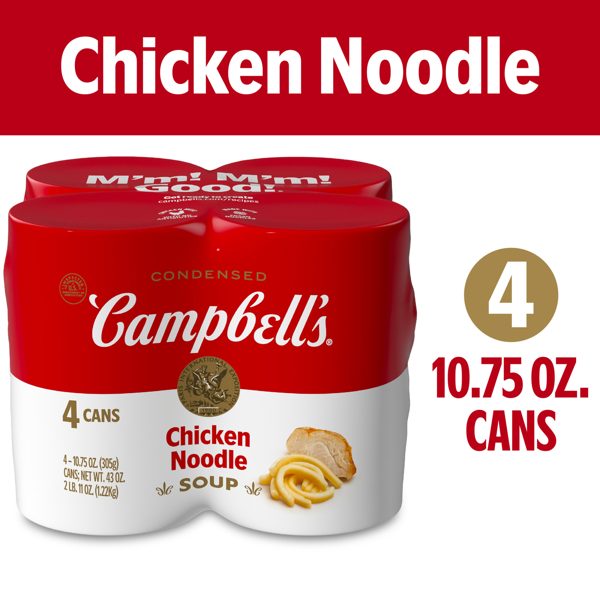
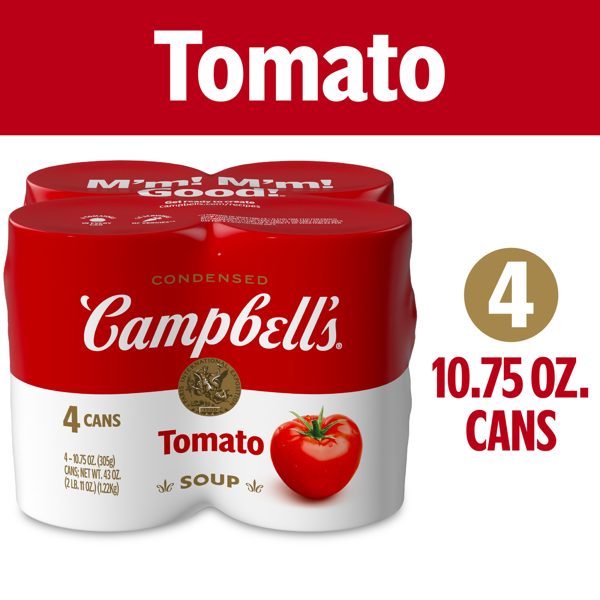
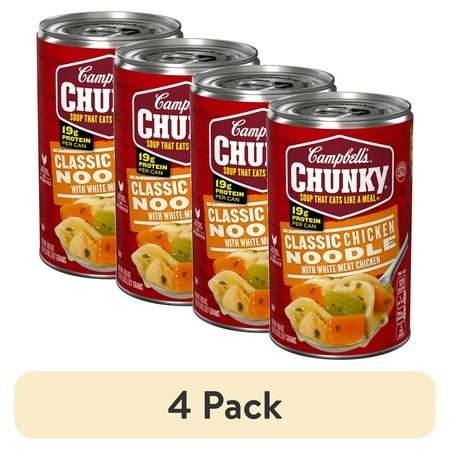
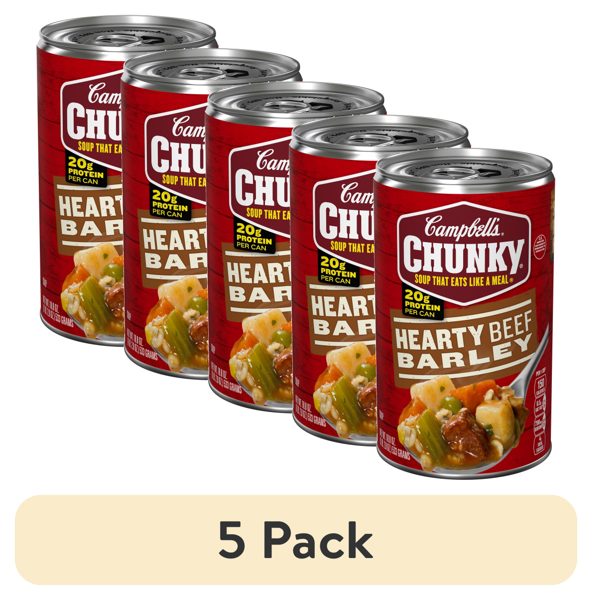
Campbell's is famous for condensed soup in small cans: chicken noodle, tomato, cream of mushroom and many more. These need a can of water or milk and double as cooking ingredients in casseroles and sauces. Campbell's also makes Chunky, a line of ready-to-serve soups with large pieces of meat and vegetables in bigger cans, including flavors such as classic chicken noodle and hearty beef and barley.
Progresso: ready-to-serve lines
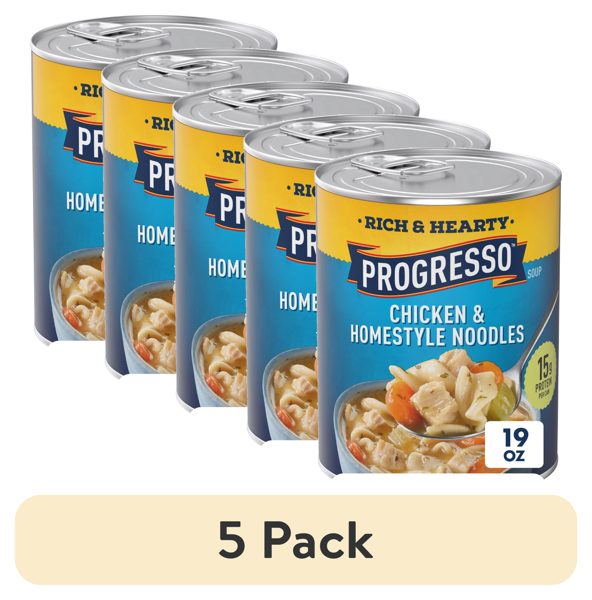
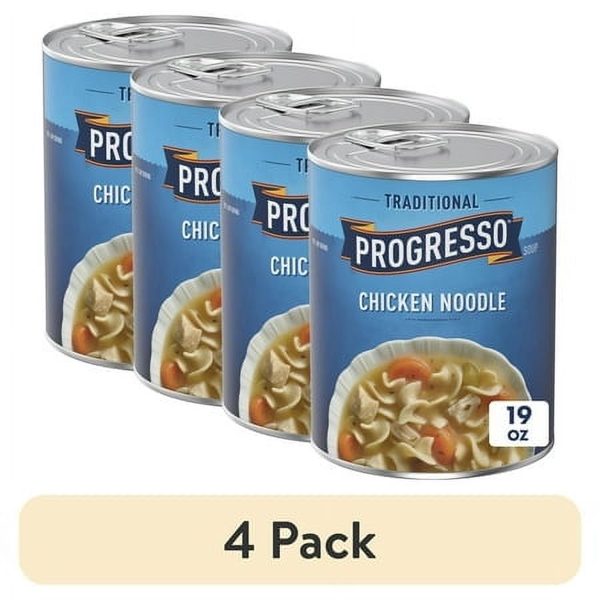
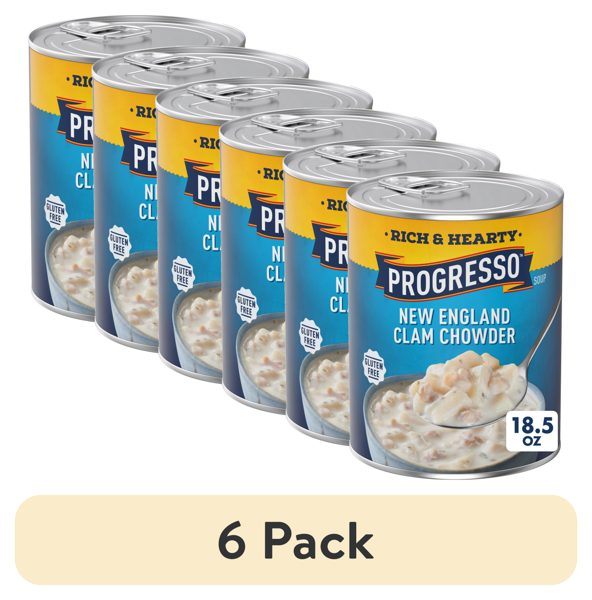
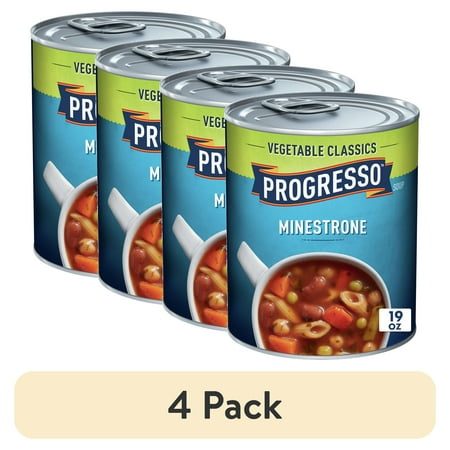
Progresso focuses on ready-to-serve soups, so you can heat and eat without adding liquid. Its lines include Traditional, Rich & Hearty, Vegetable Classics and Light, each with its own style. Traditional soups tend to be broth-based favorites, Rich & Hearty soups are thicker and more filling, and Vegetable Classics include options like minestrone. Some Progresso varieties are labeled gluten free; check each can.
Comparing size and value
Condensed cans are small but make about two cups each once diluted, while ready-to-serve cans of around 18 to 19 ounces are already at full strength. To compare value, look at the number of servings on the label rather than just the can size. Multi-packs of four, five or six cans usually bring the cost per can down for both brands.
Which to buy for what
For recipes like green bean casserole or tomato rice, reach for condensed soups. For packed lunches and fast dinners, ready-to-serve cans from either brand are the easy choice. Families with different tastes often keep a few condensed basics for kids and a selection of hearty ready-to-serve flavors for adults. Read labels for sodium, allergens and serving sizes, since recipes vary widely within each brand.