Bread Flour vs All-Purpose Flour
Published 2026-10-31
Bread flour and all-purpose flour look identical in the bag, but they behave differently once mixed with water. The difference comes down to protein, which forms gluten, the stretchy network that gives bread its chew. Knowing which flour to use, and when you can swap them, helps your bread rise taller and your cookies stay tender.
Protein and gluten
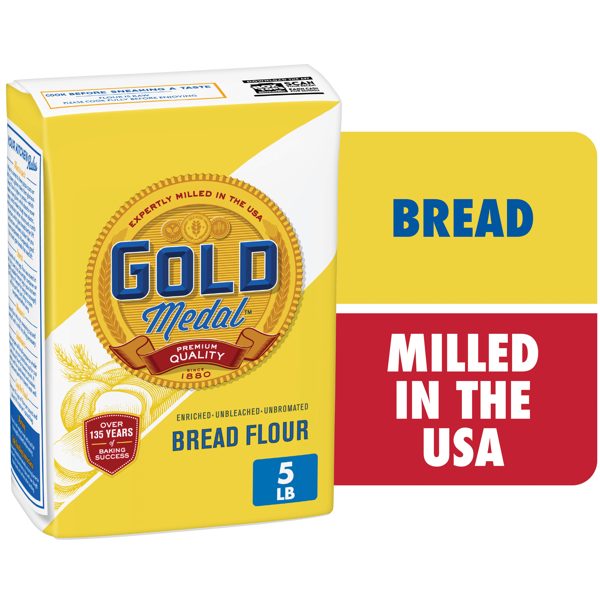
Bread flour is milled from wheat with more protein than all-purpose flour, typically around 12 to 14 percent compared with about 10 to 12 percent. More protein means more gluten when the dough is kneaded. Gluten traps the gas made by yeast, so bread flour gives loaves a taller rise, an open crumb and a chewy bite.
When to use bread flour
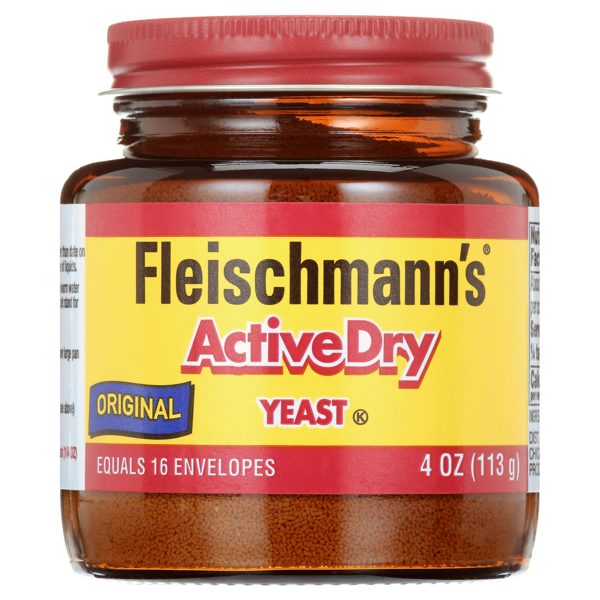
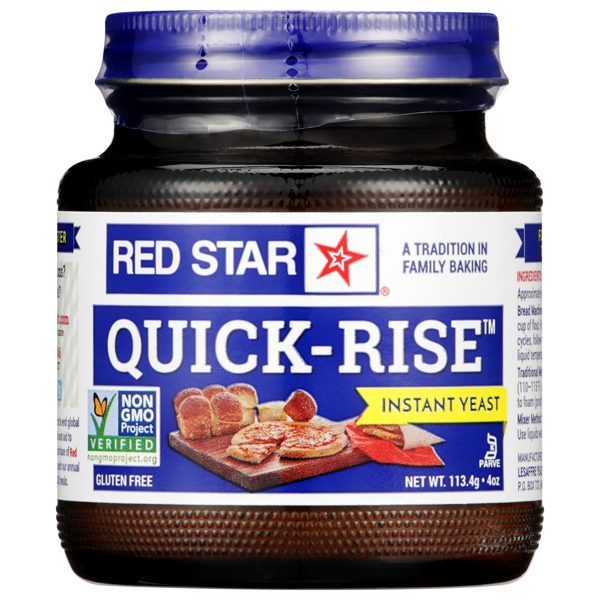
Choose bread flour for sandwich loaves, artisan bread, pizza dough, bagels, pretzels and cinnamon rolls where you want structure and chew. It is also a good match for bread machines. Pair it with active dry or instant yeast and give the dough enough kneading or resting time to develop gluten.
When all-purpose flour is better
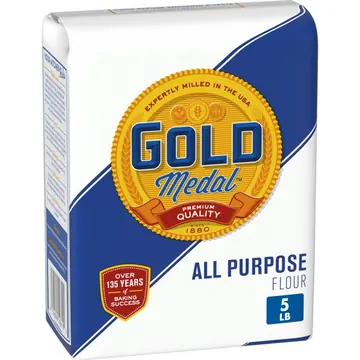
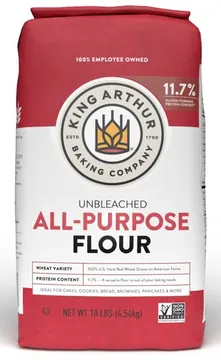
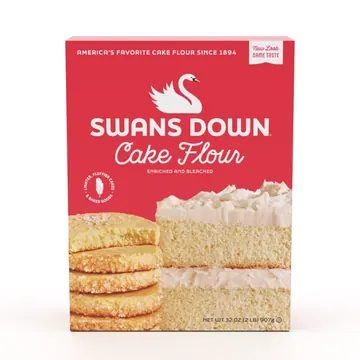
All-purpose flour is the everyday choice for cookies, muffins, pancakes, quick breads, pie crust and most cakes. Its moderate protein makes tender results. If a cake recipe needs an extra soft crumb, cake flour, which is lower in protein, is even better.
Substituting one for the other
You can usually use all-purpose flour in a bread recipe; the loaf will be a bit softer and may rise slightly less. Using bread flour in cookies gives a chewier, thicker cookie, which some bakers like on purpose. Avoid using bread flour in delicate cakes, because the extra gluten can make them tough. Measure by spooning flour into the cup and leveling it, rather than scooping, for the most reliable results.
Measuring flour correctly
How you measure flour matters as much as which flour you choose. Scooping straight from the bag packs flour into the cup and can add 20 percent or more, leading to dry, heavy bread and cookies. Instead, fluff the flour, spoon it into the measuring cup and level it with a straight edge. A kitchen scale is even more accurate, and many recipes now list flour weights in grams.