Best Office Snacks to Stock Up On
Published 2026-10-25
A well-stocked snack shelf keeps people focused through long afternoons and makes an office feel more welcoming. The trick is choosing snacks that are individually wrapped, easy to share, shelf-stable and liked by most people. This guide walks through the types of snacks that work best at work, how to balance salty, savory and lighter choices, and how to work out how much to order so you are not running out every Wednesday.
Why individually wrapped packs work best
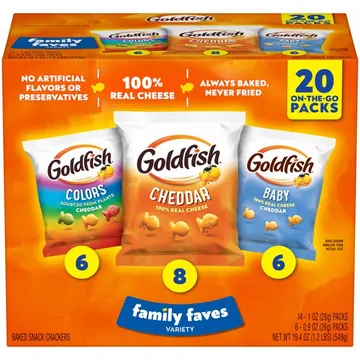
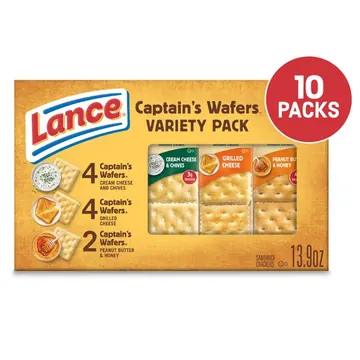
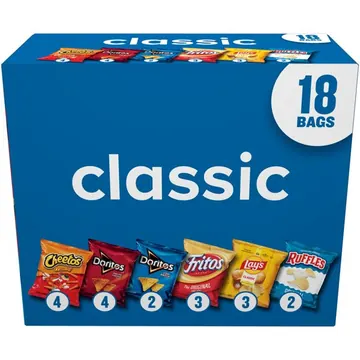
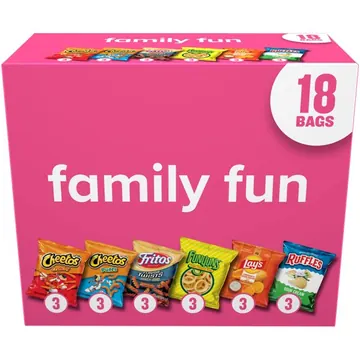
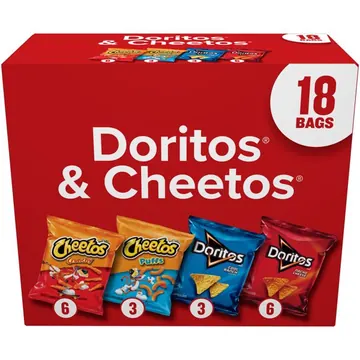
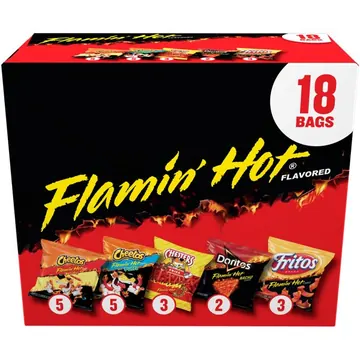
Single-serve bags and wrapped crackers are the easiest snacks to manage in a shared space. They stay fresh until opened, nobody has to reach into a shared bag, and people can grab one on the way to a meeting. Variety packs are especially useful because they cover several tastes in one box, so you do not need to guess who likes cheese crackers and who prefers chips. Larger multipacks of 18 or 20 bags also bring the cost per snack down compared with buying single bags.
Mix salty, savory and lighter options
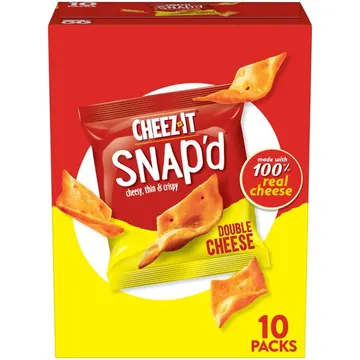
A good office snack shelf has a mix. Classic chip variety packs are always popular, cheese crackers and sandwich crackers are filling and less messy, and trail mix or nut packs give people a choice with more protein. If your team includes people who avoid certain ingredients, check the highlights and ingredient details on each product page, and keep a few options that are free from common allergens clearly labeled and separate.
How much should you order?
A simple rule of thumb is one to two snacks per person per working day. For a team of ten that means roughly 50 to 100 snacks a week. Start toward the lower end, note what disappears first, and adjust your next order. Rotating one or two new flavors each week keeps the shelf interesting without wasting money on things nobody eats.
Storage tips
Keep snacks in a cool, dry cupboard away from windows and heaters, and put newer boxes behind older ones so the oldest stock gets eaten first. Clear bins or labeled baskets make it easy to see what is running low. Check best-by dates when you restock and move anything close to its date to the front.