Road Trip Snacks Checklist
Published 2026-10-26
Gas station snacks add up quickly on a long drive, and they are rarely what you actually want. Packing your own snacks saves money, keeps everyone happier and means you can stop when you choose, not when hunger forces you. This checklist covers which snacks travel best in a car, how to balance sweet, salty and filling options, and simple packing tips that keep the car tidy.
Choose mess-free snacks
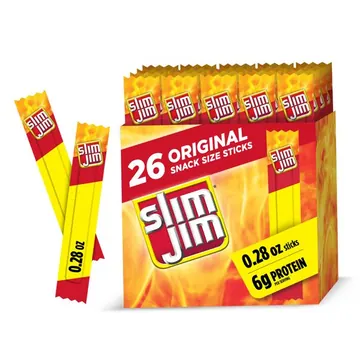
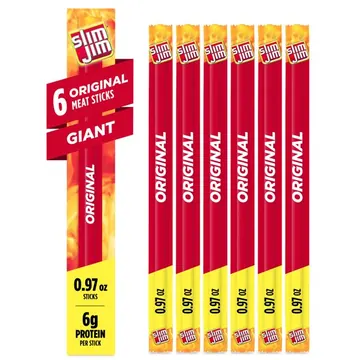
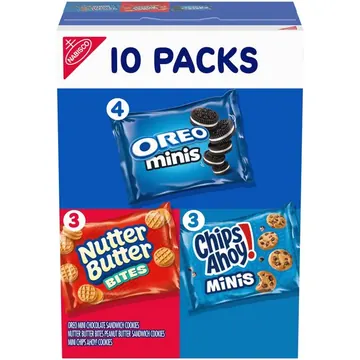
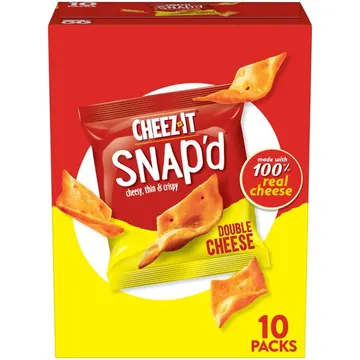
The best car snacks can be eaten with one hand and do not leave crumbs or sticky fingers. Individually wrapped items are ideal: trail mix packs, meat sticks, cracker packs, cookie snack packs and bars. Avoid anything that melts easily, such as chocolate-coated bars on a hot day, unless you have a cooler bag.
Include something filling
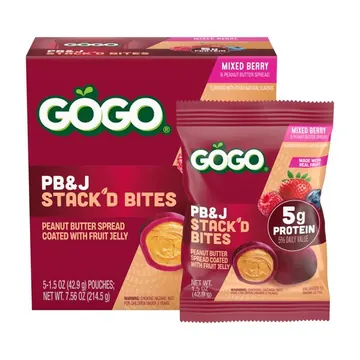
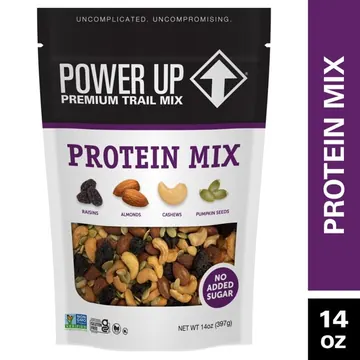
Sugar-heavy snacks lead to energy dips on long drives. Add protein and fat to keep drivers and passengers satisfied. Meat sticks, nut and trail mix packs, peanut butter snacks and protein mixes are good options. A mix of salty and filling snacks makes it easier to skip fast food stops.
Keep drinks simple
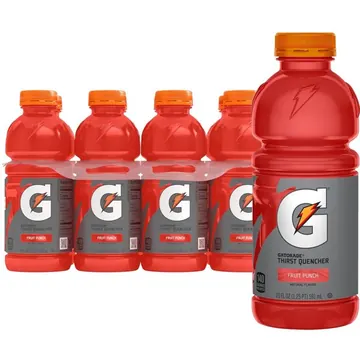
Water is the best main drink. Add a few sports drinks for long, hot days or after hikes and stops at the beach. Pack bottles with screw caps rather than open cans so nothing spills when the car brakes.
Packing tips
Pack a small snack bin or tote for each row of seats so passengers can help themselves, and keep a second bag of backups in the trunk. Bring a trash bag, wet wipes and napkins. Portion big bags into smaller zipper bags before you leave. Plan roughly two snacks per person for every three hours of driving, plus extra in case of delays.
A simple checklist
Before you leave, check off: one or two salty snacks, one sweet snack, one protein snack and one drink per person for each leg of the trip, plus napkins, wipes and a trash bag. Pack a few extra items for unexpected traffic. Rotate leftover snacks into lunches the week after the trip so nothing goes to waste.