Almonds vs Cashews: Which Nut Should You Buy?
Published 2026-11-03
Almonds and cashews are two of the most popular nuts in American pantries, and many people buy one or the other out of habit. They are actually quite different in texture, flavor and how they behave in recipes. Here is a side-by-side look to help you decide which to stock, or why it might make sense to keep both.
Texture and flavor
Almonds are hard and crunchy with a mild, slightly sweet and nutty flavor. Cashews are softer, with a creamy, buttery bite. If you like a strong crunch, almonds win. If you prefer something rich that almost melts as you chew, most people reach for cashews.
Flavor options
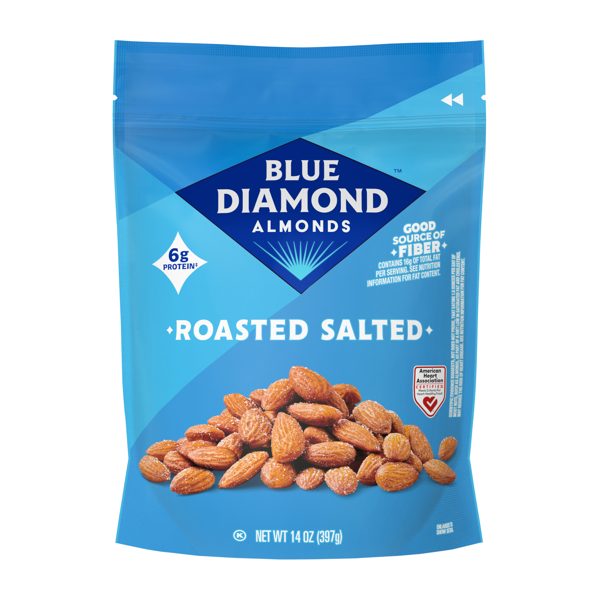
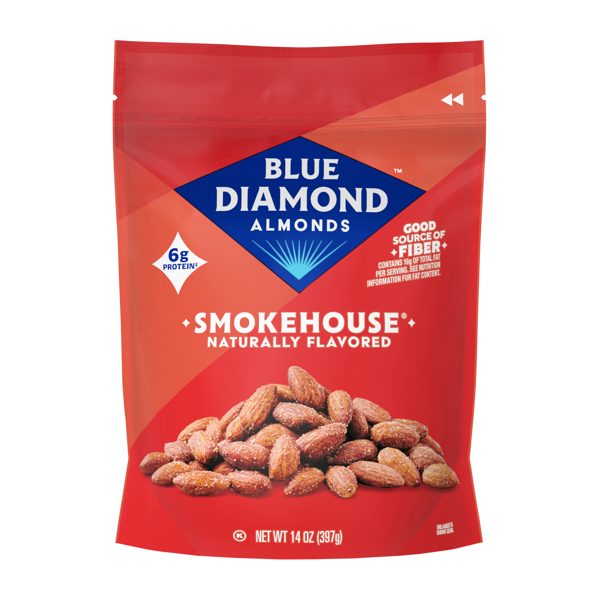
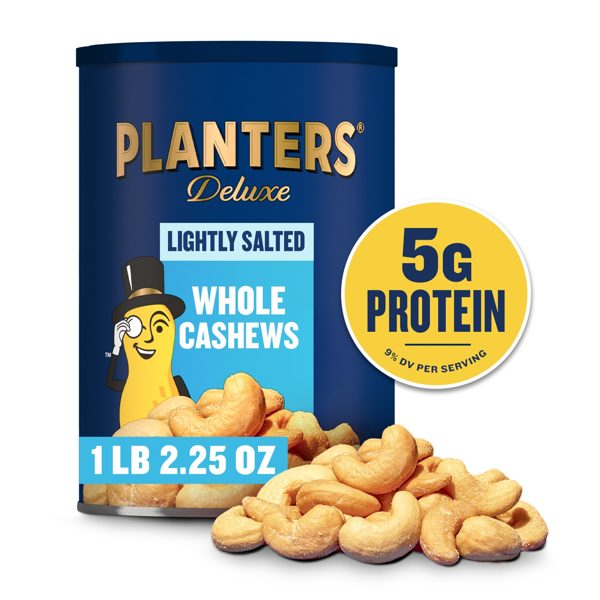
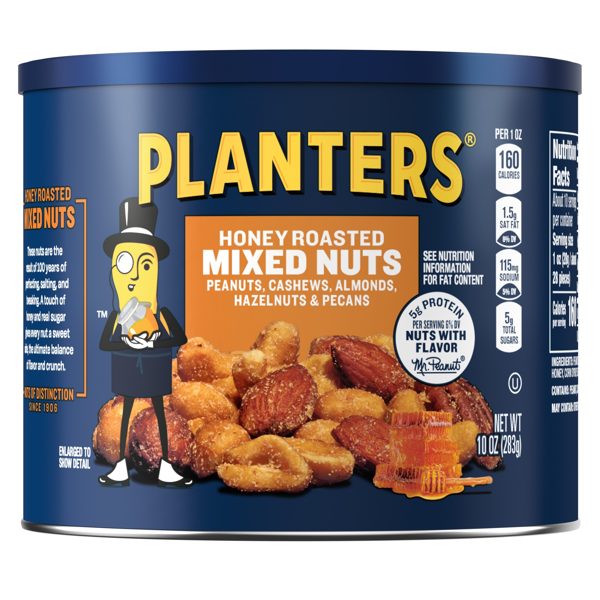
Because almonds hold seasoning well, you will find them in many flavors: roasted and salted, smokehouse, honey roasted, dark chocolate and spicy wasabi. Cashews are most often sold salted, lightly salted or honey roasted, and their natural sweetness means they rarely need much added flavor.
Cooking and baking
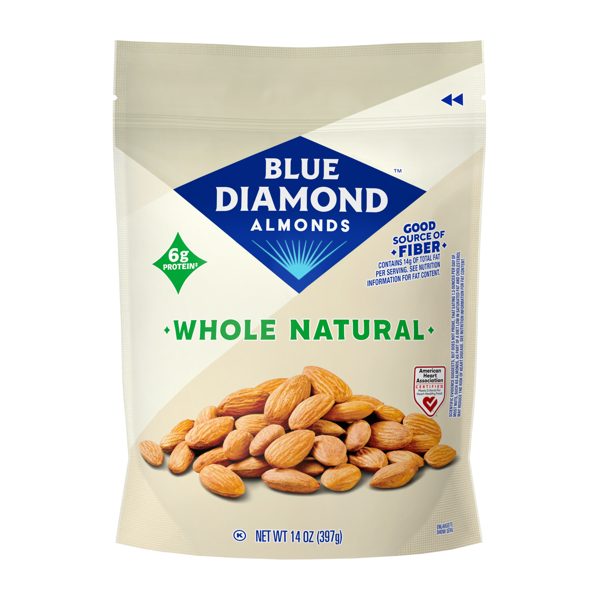
Almonds are a baking favorite, used whole, sliced or ground into almond flour. Natural (unseasoned) almonds are best for recipes because you control the salt. Cashews are popular in stir-fries and curries and can be soaked and blended into creamy sauces for dairy-free cooking.
Price and sizes
Prices change often, but almonds are usually a bit cheaper per ounce than whole cashews. Cashew halves and pieces cost less than whole cashews and are perfect for cooking. Large canisters bring the cost per ounce down for both.
Nutrition basics
Both nuts provide protein, fiber and fat, but the exact numbers differ by product and seasoning. Salted and coated versions add sodium or sugar. Read the nutrition panel on the package to compare the specific items you are considering.
Bottom line
Pick almonds for crunch, variety and baking. Pick cashews for creamy texture and party bowls. Many households keep a bag of each so everyone has a favorite.
Allergy and label check
Almonds and cashews are both tree nuts, so someone allergic to one may need to avoid the other too; that is a question for their doctor. Seasoned versions may also contain milk, soy or wheat, so read the allergen statement on each package before serving guests.