Active Dry vs Instant Yeast
Published 2026-10-31
Yeast is what makes bread rise, and grocery shelves usually offer at least three kinds: active dry, instant or quick-rise, and bread machine yeast. They are all dried forms of the same baker's yeast, but they are processed differently, which changes how you use them. This guide clears up the confusion so you can bake with whatever jar you have.
Active dry yeast
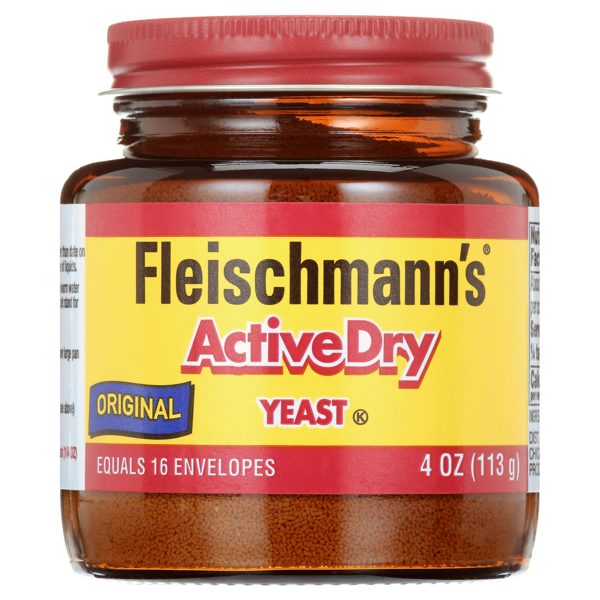
Active dry yeast has larger granules and is traditionally dissolved in warm liquid, about 100 to 110 degrees F, before being added to the flour. This step, called proofing, also shows you the yeast is alive because it turns foamy within about 10 minutes. It gives a steady, reliable rise and is the yeast many older recipes assume you are using.
Instant and quick-rise yeast
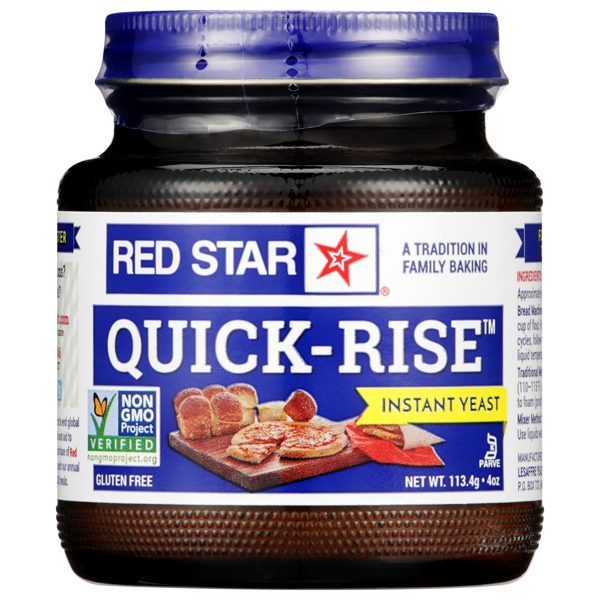
Instant yeast has finer granules that dissolve quickly, so it can be mixed straight into the dry ingredients with no proofing step. Quick-rise versions are formulated to work faster, which can cut rising time. They are convenient for weeknight pizza dough and dinner rolls.
Bread machine yeast
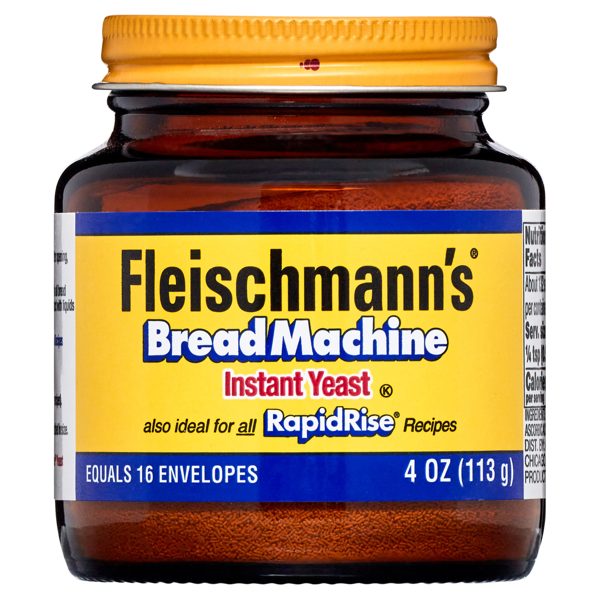
Bread machine yeast is an instant-style yeast designed to be added directly with the dry ingredients in a bread machine. It works in hand-made dough too. In practice, instant and bread machine yeasts can usually be used interchangeably.
Substituting and storing
You can swap active dry and instant yeast in equal amounts in most recipes. If using active dry in place of instant, dissolve it first and expect a slightly longer rise. If using instant in place of active dry, you can skip proofing. Jars are more economical than packets for regular bakers. Once opened, keep the jar tightly closed in the refrigerator or freezer and check the date on the label.
How much yeast to use
One standard packet of yeast holds about 2 1/4 teaspoons, or 1/4 ounce. If your recipe calls for one packet and you are using a jar, measure 2 1/4 teaspoons. A 4 oz jar contains roughly 16 packets' worth, which is why jars are popular with regular bread bakers. If dough rises too fast in a warm kitchen, you can reduce the yeast slightly for better flavor and easier timing.