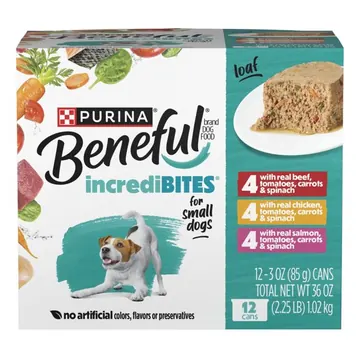
Small Breed Dog Food Guide
Published 2026-10-27
Small dogs are not just smaller versions of big dogs when it comes to food. Their mouths are smaller, their metabolisms tend to run faster, and a few extra treats can matter a lot to their weight. Small breed formulas are designed with those differences in mind. This guide explains what to look for, how to compare dry and wet food, and how to feed the right amount.
Why small breed formulas exist
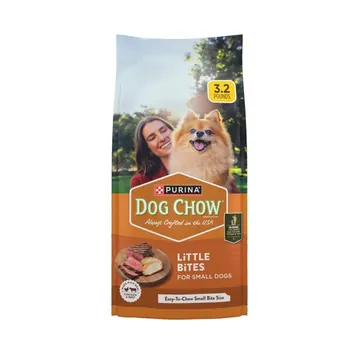
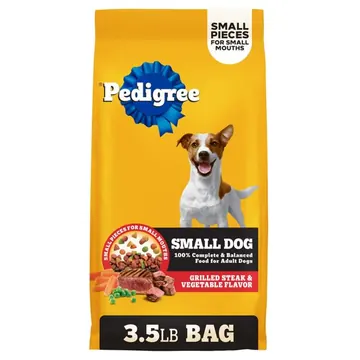
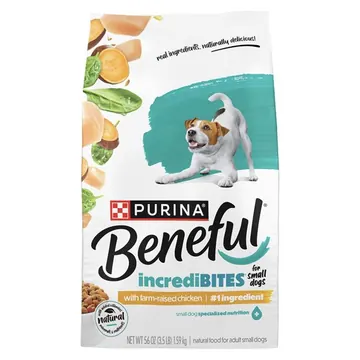
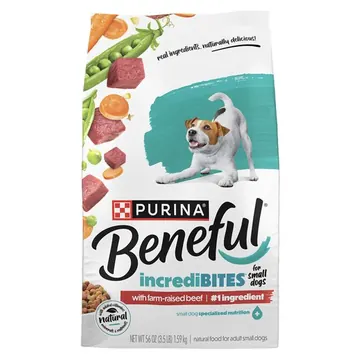
Small breed dry foods use smaller kibble that is easier for little jaws to pick up and chew. Small dogs also tend to need more calories per pound of body weight than large dogs, so many small breed foods are more energy-dense. That means a small bowl goes further, and it also means overfeeding is easy if you guess at portions.
Dry, wet or both
Dry food is economical, easy to store and convenient for measured meals. Wet food is more aromatic and moist, which can tempt picky eaters, and it adds water to the diet. Many owners mix a spoon of wet food into dry kibble as a topper. If you combine them, reduce the amount of each so the total daily calories stay right for your dog.
Read the label
Look for a statement that the food is complete and balanced for adult maintenance or for all life stages, based on AAFCO nutrient profiles. Start with the feeding guide on the bag, which is based on your dog's weight, then adjust based on body condition and activity. Count treats as part of the day's food; they should be a small share of total calories.
Switching foods safely
When changing foods, mix the new food with the old over about a week, gradually increasing the new food, to help avoid stomach upset. Keep dry food sealed in its bag or a container to keep it fresh. If your dog has health conditions, allergies or weight concerns, ask your veterinarian which food and portion size is right.