Regular vs Less Sodium Soy Sauce
Published 2026-10-30
Soy sauce is one of the most useful bottles in the pantry: it adds salty, savory depth to stir-fries, fried rice, marinades, soups and dipping sauces. It is also high in sodium, so many brands offer a less sodium version. If you are deciding which bottle to buy, here is how the two compare in taste and cooking, and how to swap one for the other without making your food bland or too salty.
How soy sauce is made
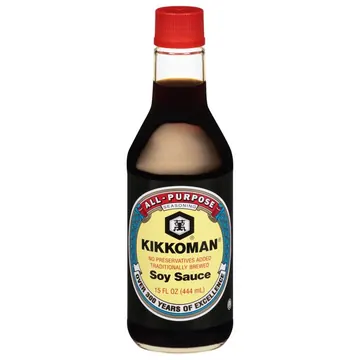
Traditional naturally brewed soy sauce is made by fermenting soybeans, wheat, salt and water over several months. That fermentation creates its deep, savory umami flavor and rich color. Brewed soy sauces taste more rounded than quick chemically made sauces, which is why many cooks look for the words naturally brewed on the label.
What changes in less sodium soy sauce
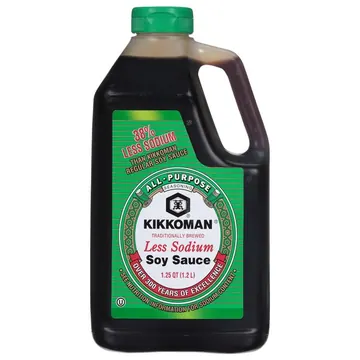
Less sodium soy sauce is typically brewed the same way, then some of the salt is removed. The flavor stays savory and full but is gentler on the salt. Check the nutrition panel on each bottle to compare the exact sodium per tablespoon, since the reduction differs by brand. Many people cannot tell the difference in cooked dishes.
When to use each
Regular soy sauce is great when you need only a small amount for a big salty punch, such as in marinades, braises and dipping sauces for dumplings. Less sodium soy sauce is easier to use generously, for example drizzled over rice, sushi or noodles at the table, or in fried rice where you want plenty of color and flavor without oversalting.
Swapping and storing
You can swap them one-for-one in most recipes; taste before adding extra salt. If you use regular soy sauce in a recipe written for less sodium, start with a little less. Soy sauce is shelf-stable, but refrigerating after opening helps keep its flavor and color fresher, as many labels suggest. Large bottles are economical for frequent cooks.