Light Mayo vs Regular Mayonnaise
Published 2026-10-30
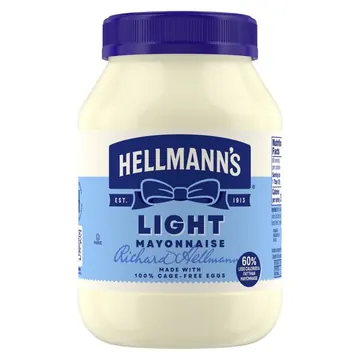
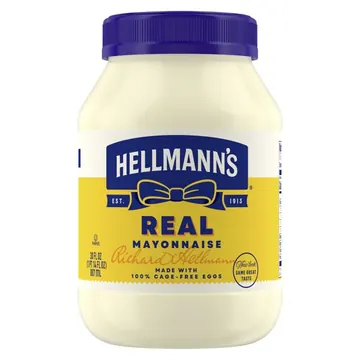
Light mayonnaise is a popular swap for people who love creamy sandwiches and salads but want to cut back on calories and fat. It looks almost the same as regular mayo, yet the recipe is different, and that changes how it behaves in some dishes. Here is what to expect from light mayo, where it works just as well as the full-fat version and where you may want to stick with the original.
What makes mayo light
Regular mayonnaise is mostly oil held together with egg. Light versions use less oil and replace some of it with water and thickeners such as starch, which keeps the texture creamy. That is how brands reduce the fat and calories per serving. Check the nutrition panel on the jar for the exact numbers, since they differ between brands and products.
Where light mayo works well
Light mayo is a great everyday spread for sandwiches, wraps and burgers, where it is used in small amounts and mixed with other flavors. It also works in chicken salad, tuna salad and egg salad, especially when you add mustard, pickles, celery or herbs. Most people find it hard to tell the difference once everything is mixed together.
Where regular mayo is better
Because light mayo contains less oil and more water and starch, it is less stable under heat. In baked dishes, hot dips or recipes where mayo is browned under the broiler, regular mayonnaise usually holds up better and tastes richer. Regular mayo also makes a thicker base for homemade aioli and spicy mayo.
Tips for switching
Start by using light mayo in cold salads and sandwiches and keep a jar of regular mayo for cooking. Add flavor with a squeeze of lemon, a little Dijon, black pepper or a dash of hot sauce. Like all mayonnaise, light mayo should be refrigerated after opening and used within the time recommended on the label.
Mixing both
A popular middle ground is mixing half light and half regular mayo in salads. You keep most of the rich flavor and creamy texture while still cutting back compared with using only full-fat mayo.