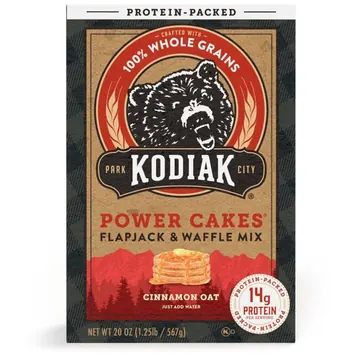
Complete vs Regular Pancake Mix
Published 2026-10-27
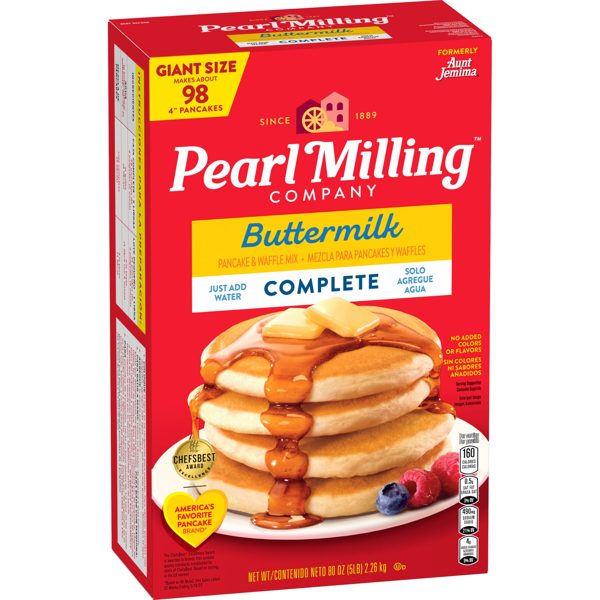
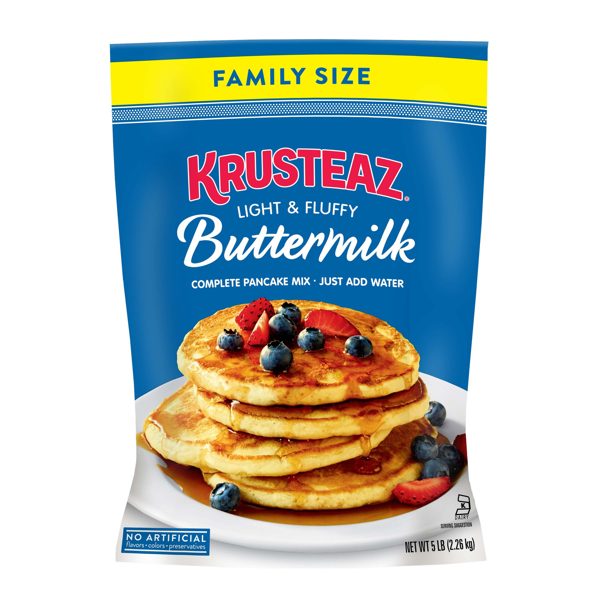
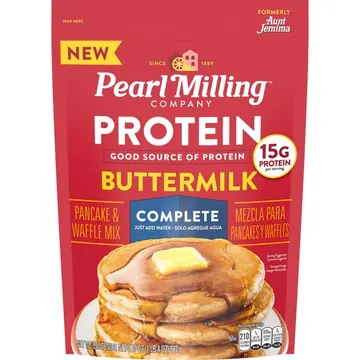
Pancake mixes look alike on the shelf, but there are two different kinds, and grabbing the wrong one can mean a surprise trip to the fridge for eggs you do not have. 'Complete' mixes already contain dried milk, egg or other ingredients, so you just add water. 'Regular' or 'original' style mixes, including all-purpose baking mixes, expect you to add milk, eggs and sometimes oil. Here is how to tell them apart and when each one makes sense.
How to tell which kind you have
Read the front of the box first: complete mixes almost always say 'complete' or 'just add water.' Then check the directions on the back. If the only liquid listed is water, it is a complete mix. If the directions call for milk, eggs and oil, it is a regular mix. Some buttermilk mixes are complete and some are not, so the back panel is the only reliable answer.
When a complete mix is the better buy
Complete mixes are great for camping, dorms, office breakfasts and busy weekday mornings because they only need water and a pan. Big bags and boxes are also an economical way to feed a large family or a group. Because everything is already in the mix, results are very consistent from batch to batch, which is handy when kids are helping to cook.
When a regular mix wins
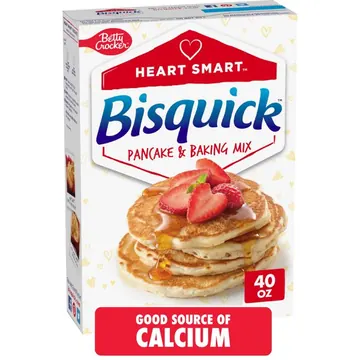
A regular mix gives you more control. Using milk instead of water and adding a real egg usually produces richer, more tender pancakes, and an all-purpose baking mix can also make biscuits, waffles and dumplings. If you bake often, one box of baking mix can replace several single-purpose products in the pantry.
Tips for fluffier pancakes from any box
Stir just until the dry streaks disappear; a few lumps are fine and overmixing makes pancakes tough. Let the batter rest five minutes so the leavening can start working. Heat the griddle to medium, test with a drop of water, and flip when bubbles pop on the surface and the edges look set. Keep finished pancakes warm in a low oven on a baking sheet while you cook the rest.